Centenary’s Van Thyn Lecture Highlights Memory, Legacy, and a Powerful Digital Surprise
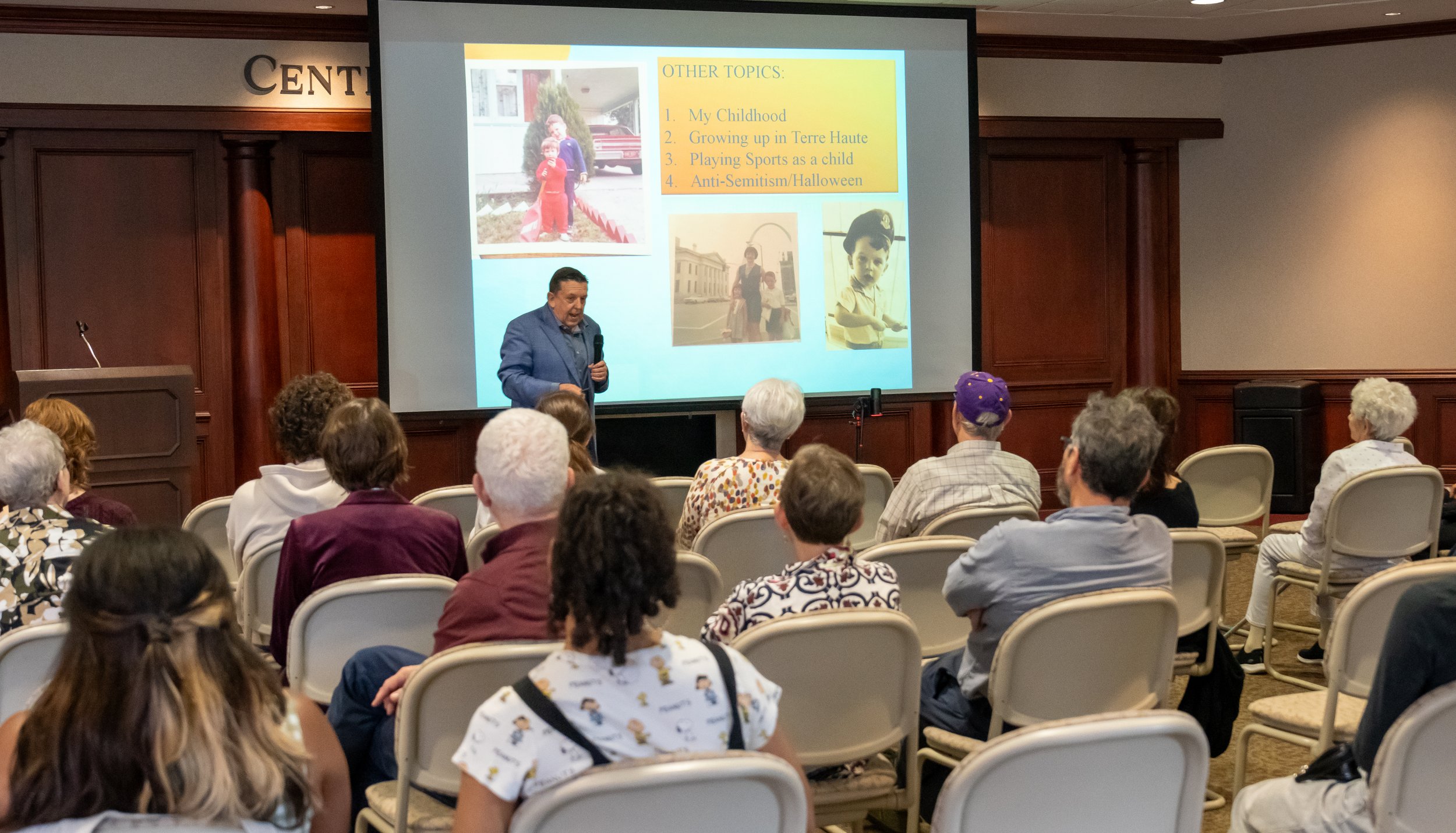
Centenary College recently hosted its annual Van Thyn Holocaust Memorial Lecture, given by Dr. Alex Kor, son of two Holocaust survivors. His presentation was "My Holocaust Legacy: A Blessing, Not a Burden," about growing up with a family legacy connected to one of the darkest moments in human history. The lecture is part of the Rose and Louis Van Thyn Memorial Series established to honor two local survivors who spent their lives sharing the importance of Holocaust education.
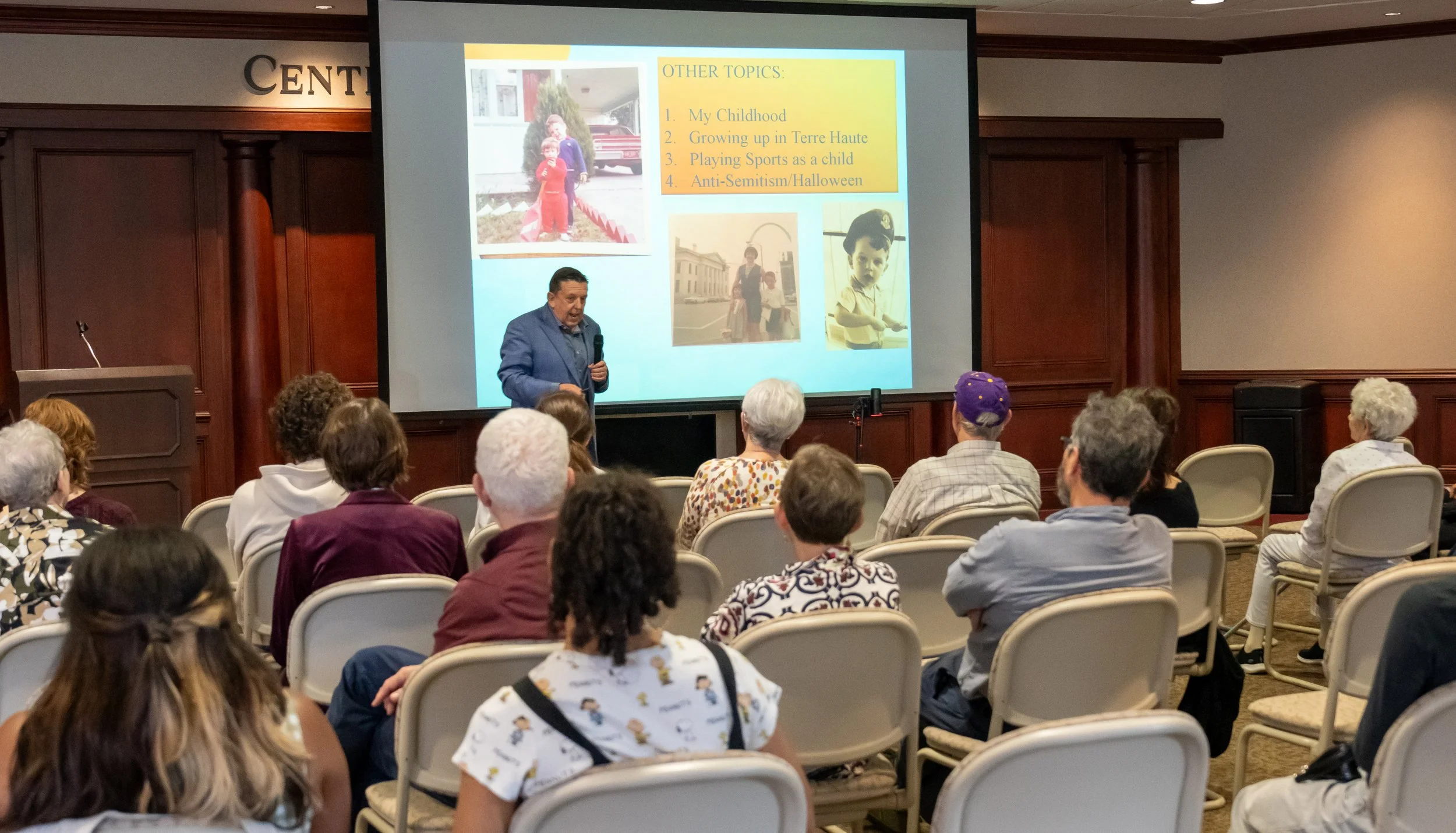
Dr. Kor spoke of his childhood and what his parents' experiences in Auschwitz taught him about the world. He said that to be the child of survivors is not simply to know sad tales, but to bear the heavy burden of remembering. He told his family's story in such a way that history seemed personal and current, rather than remote or abstract. He remembers the Holocaust not out of obligation but as a key part of his identity.
The Van Thyn Memorial Series honors the memory of Rose and Louis Van Thyn through the continuance of their mission of educating new generations. Their work has become extraordinarily important in the last years, Dr. Kor said, when there are increasingly few survivors. He described how crucial it is for younger people to hear these stories and understand why remembering matters. His reflections revealed a peculiar kind of burden that children of survivors often bear, rooted in the expectation to preserve history as firsthand accounts start to fade away.
The most striking moment of the evening came right at the end of his lecture. Dr. Kor introduced a surprise that nobody was expecting. He created a virtual, interactive interview with his mother, compiled from a vast collection of recorded conversations she had completed before her death. The technology allows people to type in questions, and then it selects and plays the closest recorded response. As the first answer appeared on the screen, the room immediately fell silent. Though she's no longer alive, seeing her face and hearing her voice made the past feel incredibly close.
That was a surprise ending that connected with the message Dr. Kor had been sharing: that legacy goes on when people choose to remember. It does not end when someone is no longer there physically, but rather it lives on through stories, recordings, and in the choices people make to keep sharing them. The interactive interview offered a new way to keep these memories alive for years to come. The air was filled with reflection and personal introspection by the time the event concluded. The lecture was more than a lesson in history, it was a compelling reminder that the past still shapes today, and each one of us plays a role in understanding and protecting it. Dr. Kor created an experience through his personal stories and creative interview that will stay with many students.