Food Insecurity for College Students
With the longest government shutdown coming to an end on November 12th after eight moderate Democratic senators voted with Republicans to pass the budget, Americans are discussing the effects of paused government assistance on our most vulnerable communities. The shutdown began on October 1st after Democrats refused to pass a budget that would cut healthcare and raise premiums for millions of Americans. With the budget withheld, hundreds of thousands of federal employees were furloughed or made to work without pay. Communities worried about their access to food after SNAP the Supplemental Nutritional Assistance Program (SNAP) announced it would not be distributing funds on November 1st, and then after a lawsuit against the Trump administration, would only be distributing half of the normal assistance.
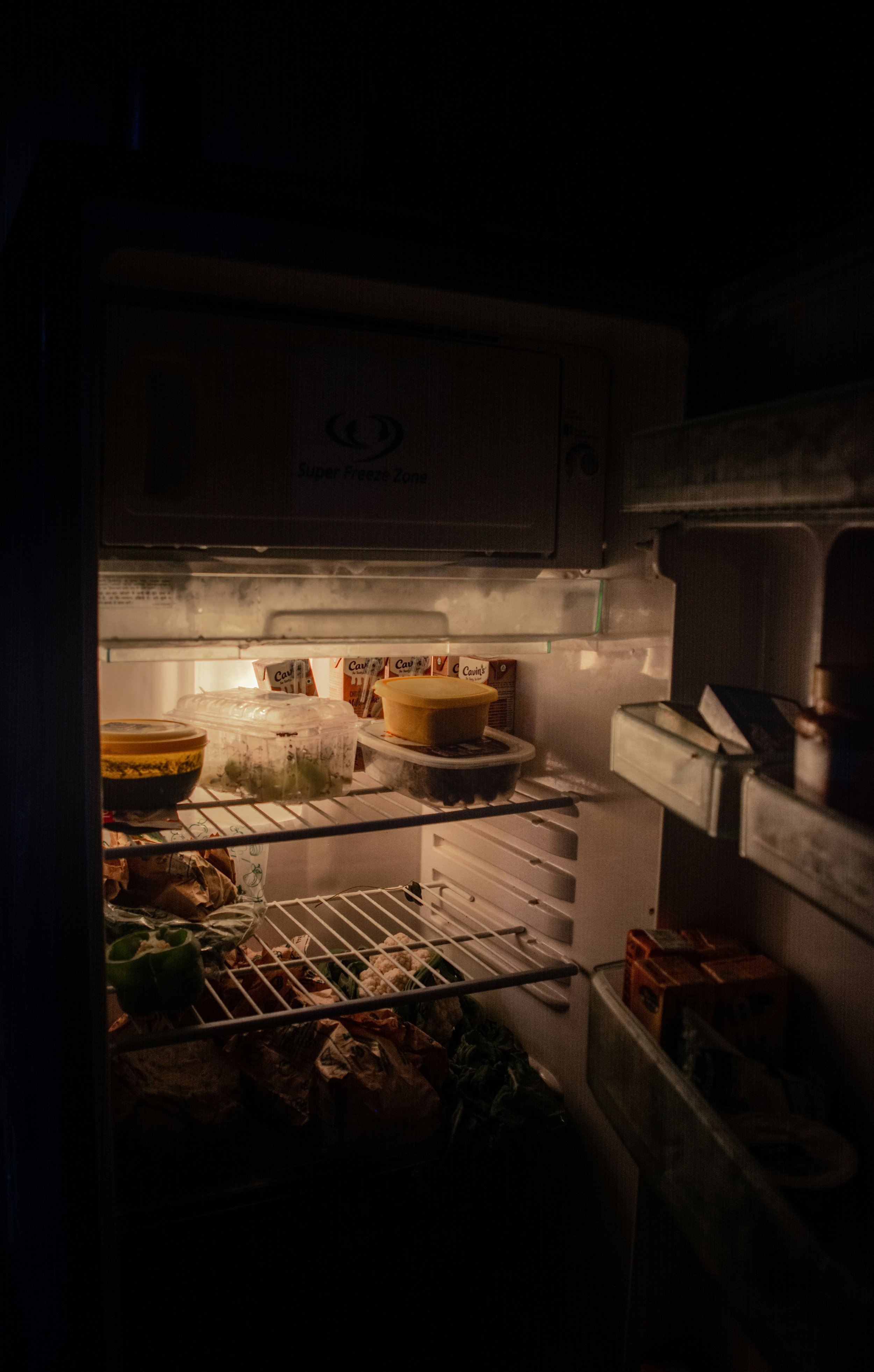
Students at Centenary watched as multiple departments put up mini food pantries and emails were sent out with information about food banks, with some of us asking—who here is actually food insecure? All students are required to have a meal plan, and while most students are paying for their meals with student loans, don’t students have access to meals through the Caf?
College students across the nation represent 41% of 18-24 year-olds across the nation. Meanwhile, colleges report food insecurity up to four times the national average. While most colleges offer meal plans, they rarely cover three full meals seven days a week. Often, upperclassmen are allowed to move off campus and either remove their meal plan or lower it.
At Centenary, the most one student can have is seventeen meals per week, meaning they must choose to miss four meals each week. The Caf only serves two meals on weekends to account for students sleeping in late, but holds dinner earlier on Saturdays, rather than later, meaning many students don’t go for dinner. This does not include any snacks that may be needed in order to eat every 3-4 hours, as recommended. How many students actually have the highest meal plan? Any student can request the 15 or 12 meals per week plans. Juniors and Seniors can request the eight meals a week plan. Students who live off campus or in bicentennial can request as few as six meals a week. Many students, myself included, have opted to reduce our meal plans to reduce our cost of tuition. It can seem easier to ‘figure it out’ rather than gain the extra debt.
Food insecurity at Centenary looks different for every student. Food insecurity does not always mean that one cannot find food to eat for a meal—although it certainly can. It also means that a person does not have sure access to nutritional food or a full range of vitamins and caloric density. If we assume that every student can eat everything the Caf serves every day (which they almost never can), it is still unlikely that students will have access to everything they need every day for every meal. How often do athletes get the amount of protein they need for adequate recovery? How often can vegans or students with gluten intolerance eat a full meal? How often do our schedules run us ragged until we look at the clock only to realize it’s too late to get dinner, and we still have five more hours of homework to do?
College students live in a unique position. Our full-time position is ‘student,’ but many of us feel that we need a full-time job to survive. We do not have full access to the food that is provided to us, and we do not always have the resources to buy—or prepare—our own. There are students at Centenary who rely on programs like Food Banks and SNAP to eat. Over the summers, I personally stop by the Noel Food Pantry once a month to get a steady supply of basics. We don’t always talk about food insecurity, and we don’t always know what it looks like, but it is happening all around us, every day.
With SNAP funding returning to its full strength, many families are breathing a sigh of relief. Still, often SNAP is not enough to cover a poor household’s needs. The average person receives $190.59 per month, while they actually need upwards of $300 to cover their absolute essentials.
When I attended Queen’s University Belfast, students had weekly access to a basic food pantry; we could get supplies of grains, cooking essentials, cereals, dairy products, and a few kinds of fruits, vegetables, and proteins. Many large colleges have similar programs. At Centenary, the question of a school-funded food pantry raises a few eyebrows. Do students need food, or do they just want a snack? However, people don’t want food, we need it. With college students at high risk for food insecurity, even with access to a cafeteria and supplemental programs, conversations around Centenary’s food providence will surely continue.