The Amazon’s Secret Strength: How the World’s Biggest Forest Is Fighting Back
The fast-changing world outside Shreveport becomes invisible when you stroll through Centenary's campus. The Amazon rainforest, which spans thousands of miles across Earth, faces severe heat waves, droughts, and deforestation threats. Scientists have discovered that the Amazon rainforest trees are unexpectedly adapting to their severe environmental challenges, which could lead to unexpected discoveries. Recent research has shown that many trees in the Amazon are growing thicker and stronger as opposed to dying from climate stress. A study published in Nature Plants finds tree trunks in the Amazon are thickening at a rate of approximately 3.3 percent per decade. This may not sound like much, but it indicates that the rainforest is storing more carbon and presenting better resilience, which may slow global warming.
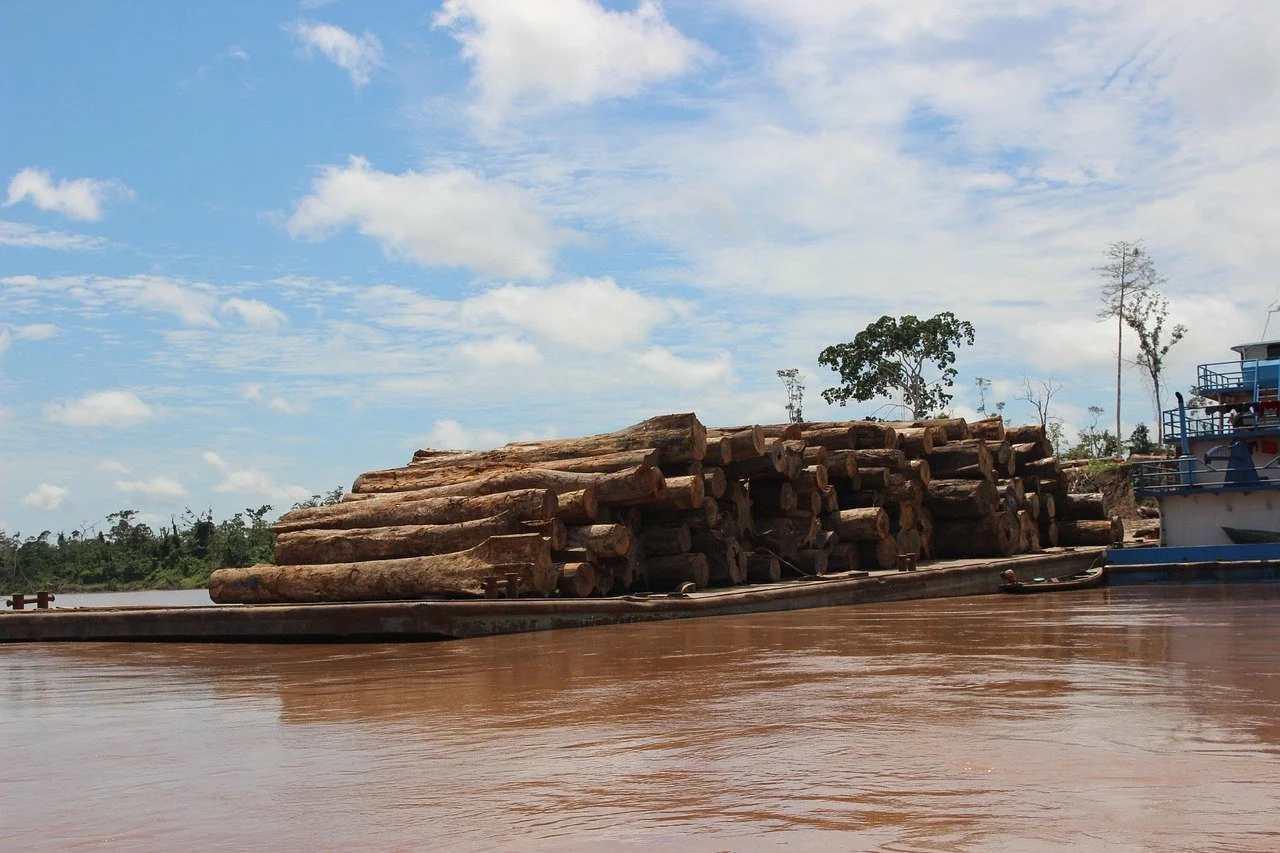
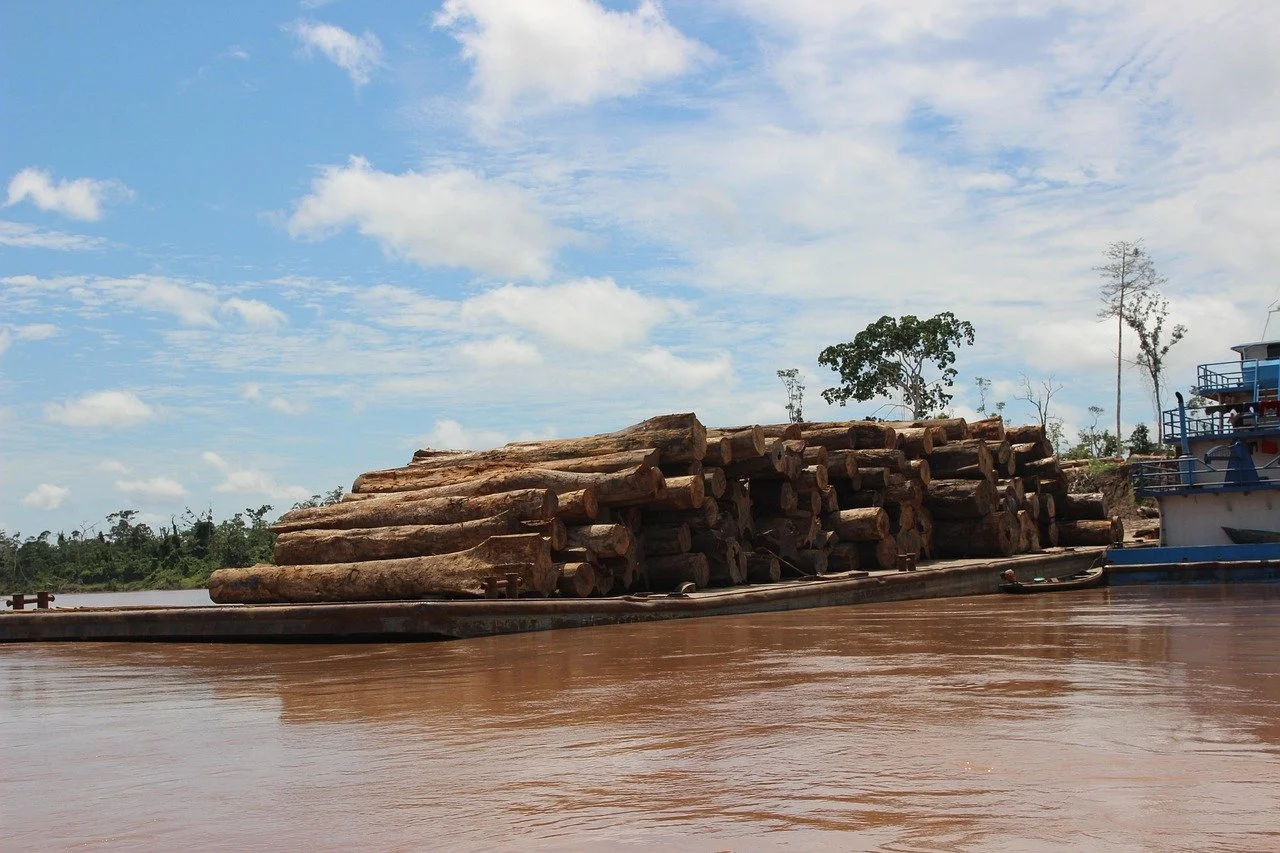
Scientists have thought for years that the Amazon was on the brink of collapse. Fires, deforestation, and climate change seemed to be relentless. But these trees are adapting, even the oldest and largest trees, which store most of the carbon. Their survival helps stabilize the global carbon cycle, at least for now, and it is an optimistic reminder that nature can sometimes respond to situations in unexpected ways. However, this resilience has a limit. For trees to stay healthy, they must be in intact, healthy forests. Human actions to clear land, such as agriculture, logging, or road building, weaken that system. A study in the journal Nature discovered that forests with more diverse species are more resilient in drought and lose roughly 30 percent less biomass than low-diversity forests. Every time a patch of forest is destroyed, that natural resilience diminishes and the ecosystem is left vulnerable to collapse.
Research has also revealed that many species of trees are struggling to migrate or adapt rapidly enough to keep up with increasing temperatures. Therefore, parts of the Amazon have already lost their resiliency after drought and fire. Scientists, for instance, caution that if deforestation and climate change continue at their current pace, large areas of the rainforest could become dry savannah by 2050. That process would introduce massive amounts of carbon into the atmosphere and irreversible shifts in the world’s climate.
Although we aren’t near the Amazon, what happens there affects all of us. Rainfall patterns across South America, the health of global biodiversity, and the carbon the rainforest stores all hinge on the health of the Amazon rainforest. This means students and young people, in particular, have a vested interest in protecting the Amazon. Supporting conservation, learning about sustainability, and raising awareness are critical ways to ensure that protection occurs. The trees of the Amazon are standing strong, thickening their trunks, and continuing their fight for survival against stunning odds. The trees serve as a metaphor for resilience, as if saying that even in an increasingly chaotic world, nature can prevail and adapt.