Last Month in International Government Upheaval
In France, another one of President Macron’s Prime Minister’s turned in his letter of resignation after only a few months in office. The French parliament voted 364 out of 573 for ‘no-confidence,’ strongly arming the centrist PM into resignation. After decades of alternating power between the far-right and the far-left, President Macron’s successful centrist bid for presidency in 2017upset the uneasy political balance in the French government. However, the centrist’s inability to form coalitions with either side of the voting bloc has left the government grid locked. In 2024, President Macron called for a snap election, but instead of increasing his supporters, voters elected a majority of far-right and far-left officials. With prices increasing and the national debt rising, French citizens are calling for Macron’s removal. The Prime Minister position remains vacant.
In Japan, Prime Minister Shigeru Ishiba has also released plans for resignation following several crushing election losses. Having served for only one year, PM Ishiba witnessed majority losses in both houses of parliament for his party, the Liberal Democratic Party (LDP). Having run Japan for the majority of the post-war era, the losses for the party reflect a growing frustration with the rising cost of living. Without a majority in either house, it is unclear if the snap election for a new LDP president will result in their election as Prime Minister, leaving Japan in an unprecedented moment for their post-war political stability.
On September 9th, thousands of Nepalese youth gathered across the nation to protest government bans across several popular social media sites. It has since been dubbed the “Gen-Z Protest” in reference to both the reason for protest and the age-range of the protesters. Claiming large-scale government corruption and surveillance, protesters stormed several government buildings, setting fire and causing general destruction. Seventy-five citizens were killed in the protests and thousands were injured. Five days after the beginning of the protests, Prime Minister K. P. Sharma Oli resigned, and the social media ban was lifted. The House of Representatives was disbanded with new elections set for 2026.
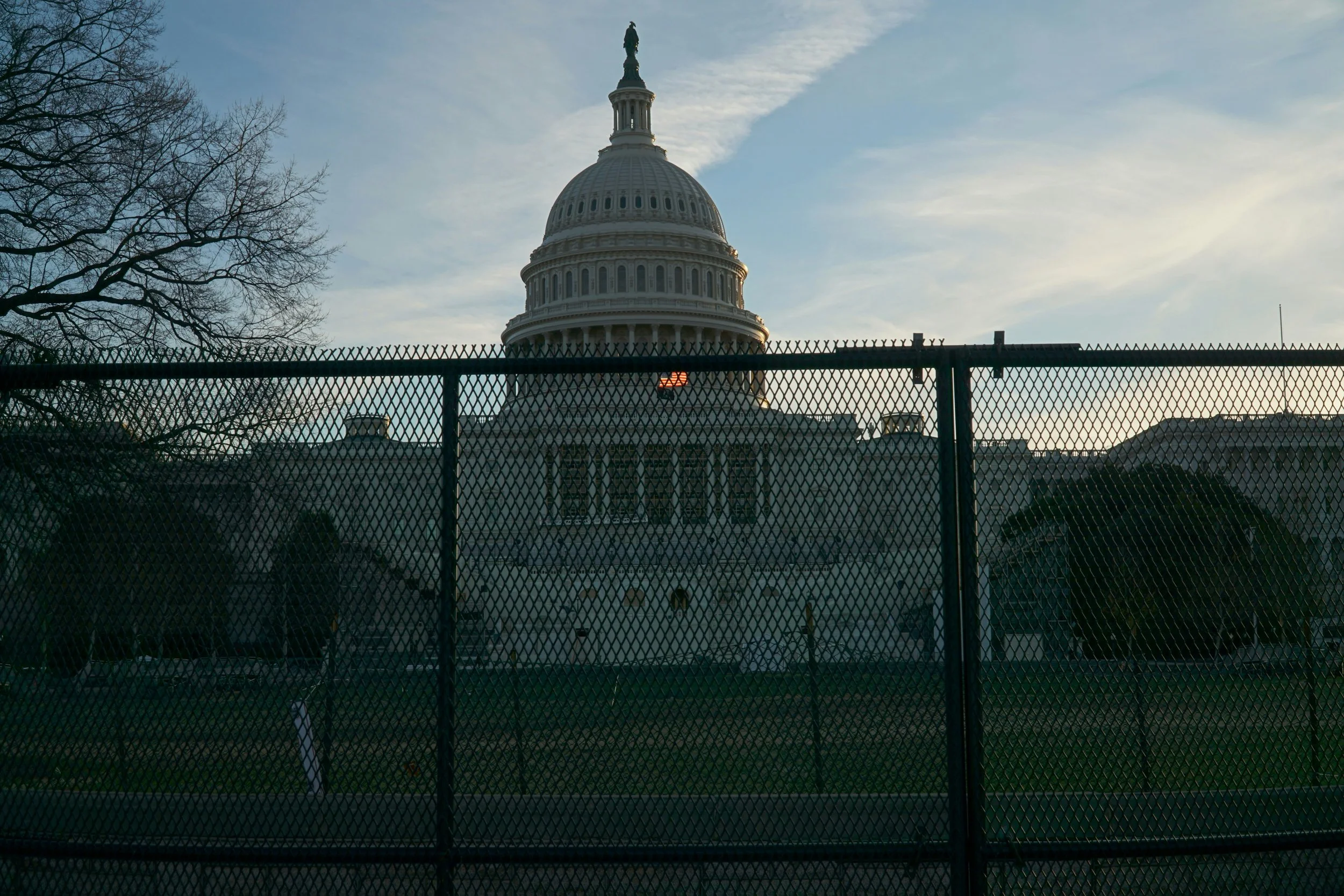
In the U.S., hundreds of thousands of employees are being sent home or expected to work with no pay after Congress was unable to pass a budget, thus forcing a Government Shutdown. It is the third to occur under a Trump administration, and the eleventh to happen in the country’s history. The Shutdown occurred after Congress' s inability to agree on federal spending levels, foreign aid rescissions, and health insurance subsidies. Furloughed non-partisan government employees have noted that their “out-of-office” message has been changed without their consent, effectively blaming Democrats for the Shutdown, a violation of the Hatch Act. Typically, Government Shutdowns have not lasted longer than a month, and negotiations are currently underway.
While all these upheavals are centered on different governments and problems, each comes down to the root cause of world-wide rising cost of living and public concern for government corruption. With the economy heading into another recession, governments will need to ensure cooperation among parties to maintain peace in their respective nations.