Breaking The Silence
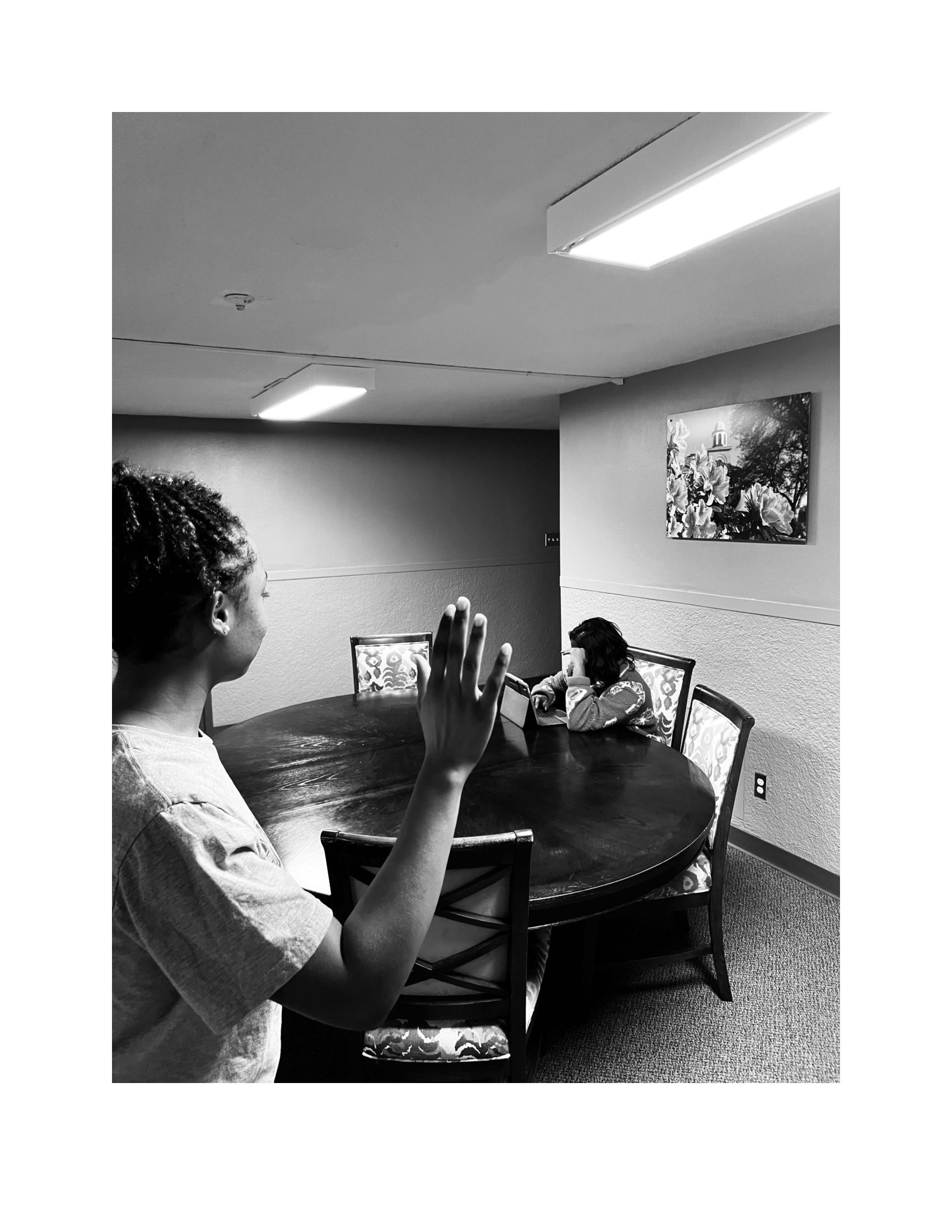
“HEY! Come play on the swings with us!” College is often equated to a playground, a place to explore new connections, take risks, and learn new things about yourself and the world in which you live. However, at Centenary, the once vibrant ‘playground’ of college life now feels empty. If college is a place for growth and discovery, why do many Centenary students find it challenging to connect and socialize with one another? The older generation, parents and professors, would blame the lack of socialization on social media, especially after COVID-19. By understanding these perspectives, we can better address the underlying issues and find ways to foster a more connected and supportive community.
Student Government (SGA) President Andrea Kay was asked what the classroom atmosphere was like when her freshman class was quiet and reserved. She responded, “I felt like with my class, many people were very disengaged and uncomfortable. I’m not sure if most of them were just introverted or if it was genuinely a product of COVID.” Social isolation causes human beings to lose the ability to communicate effectively with one another outside of social media. Studies from the University of Alberta said “according to an Angus Reid poll taken in April 2020, the pandemic negatively affected at least half of Canadians surveyed, with 40 percent reporting worse mental health and another 10 percent reporting their mental health had suffered ‘a lot’” (Geiger, 2024). This study shows that the pandemic has had a significant negative impact on mental health, with students feeling isolated and disengaged. However, the problem is not that Centenary has many introverted students. Rather, there is a lack of interaction among students, which leads to feelings of loneliness. At the same time, students would claim their lack of socialization served as a response to the fear of rejection and judgment. It could be a mixture of both; social media has undeniably reshaped how people communicate and go about their daily lives.
“We attract students who are timider in comparison to students attending bigger schools like LSU, where you are just a number,” says Dr. Hendricks, Chair of the English Department, in an interview. Social platforms, particularly platforms like TikTok, are making in-person connections feel intimidating. Dr. Hendricks also stated, “I find that students are quieter, shyer, and hesitant to speak out about their opinions or perspectives on things.” Shifting this narrative in a classroom environment starts with taking a single step, even if it is out of your comfort zone. Andrea is a great example of this as she mentions, “I stepped up because no one else would, and it turned out for the better... although it was hard to make friends and connect.” Andrea’s experience shows that meaningful connections start with small but intentional efforts. When students take the initiative to engage with each other, they can help create a more inclusive and connected campus culture.
Centenary offers a safe and supportive environment, but it is up to us as students to change the narrative and give life to campus. This shift begins with everyone choosing to step beyond their comfort zone, one conversation and one interaction at a time. Next time you walk past someone on the way to the CAF give them a smile, say ‘hey’ to people you recognize, or sit next to someone new in class. Together, we have the power to transform Centenary College of Louisiana into the vibrant and welcoming ‘playground’ it is meant to be.