Centenary’s Dream Week: Future, Faith, and Freedom
Centenary held Dream Week January 19th through 23rd with a variety of events planned for students and faculty on campus to celebrate Martin Luther King Day and the legacy and ideas Dr. King left behind. Two of these events included a showing of a James Baldwin documentary film called “I Am Not Your Negro” held by the Centenary Film Society at the Robinson Film Center and a keynote speech by speaker Dr. McKinley Melton, a professor at Rhodes College and a Baldwin scholar.
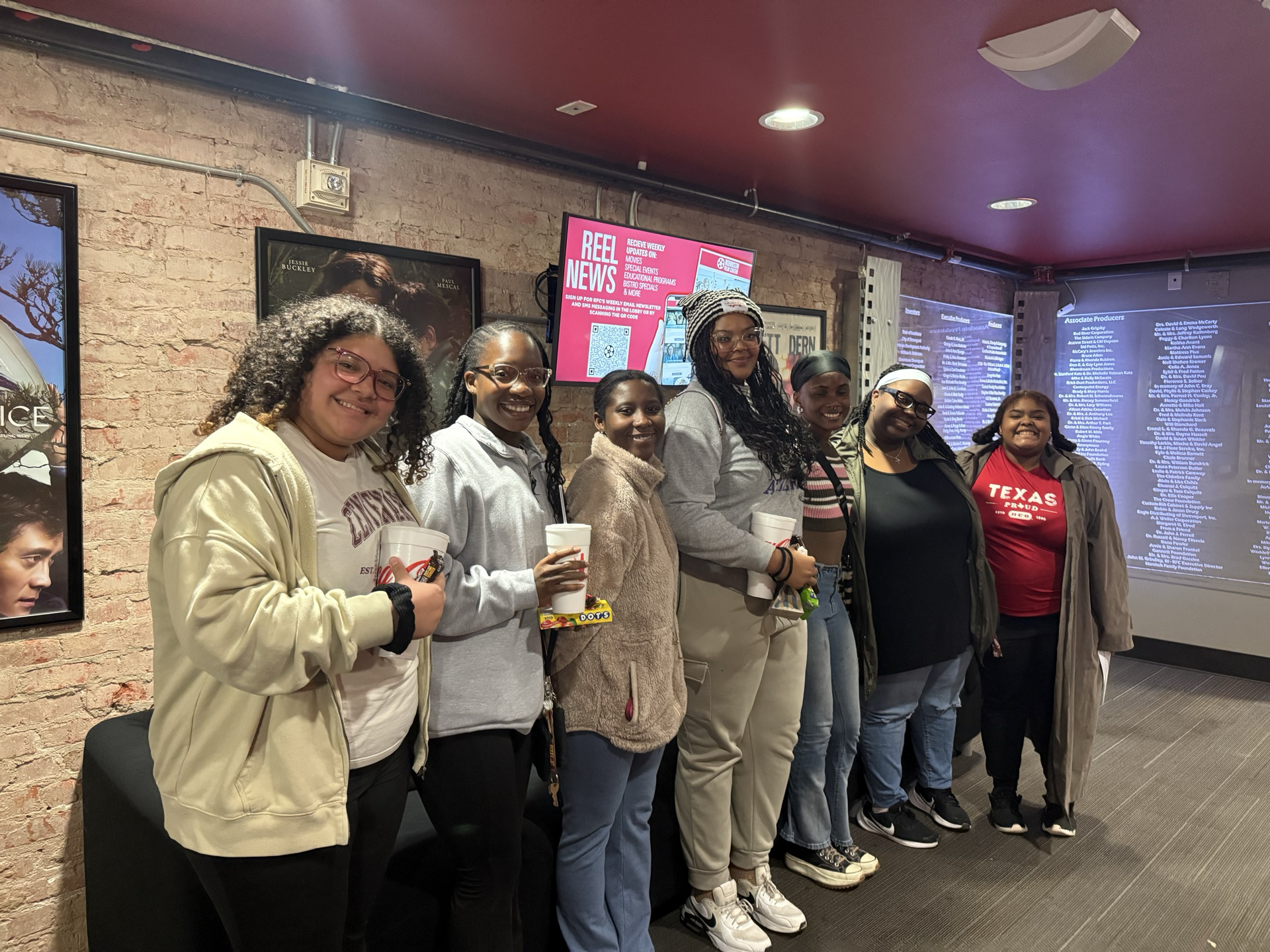
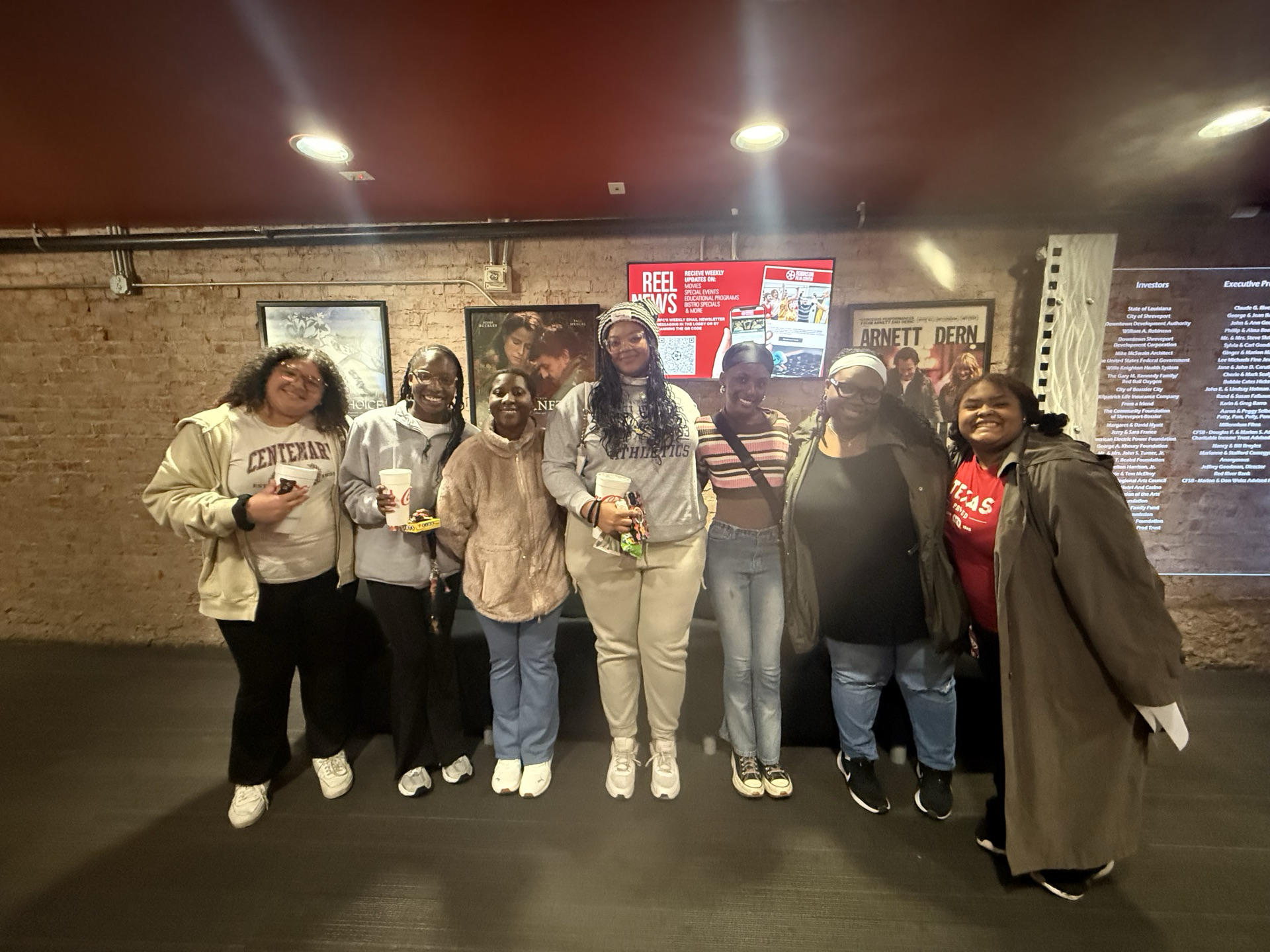
The 2016 film “I Am Not Your Negro” by director Raoul Peck explores the history and treatment of Black Americans through author James Baldwin’s letters, speeches, interviews, and manuscript of his unfinished novel Remember This House about Baldwin’s memories of civil rights leaders Medgar Evers, Malcolm X, and Martin Luther King Jr. In the opening and closing clips of the film, Baldwin addresses both the future of the Black American and the future of the country. In the opening clip, Baldwin is being interviewed on The Dick Cavett Show when asked about optimism for Black people in the country, and Baldwin says it is not a question about what is going to happen to Black people, but instead “the real question is what’s going to happen to this country.”
Peck chooses to emphasize Baldwin’s point about the correlation between the functionality of the country and its treatment of Black people in the United States by cutting to photos of recent protests where Black protesters are facing against White police and military officers. The film includes many other photos of protesters, both for and against, during the Civil Rights Movement of the 1960s. There are also more current photos that very often include depictions of police violence against protesters, showing that since the country has refused to treat its Black citizens as complete equals, the US is unable to move forward and make progress.
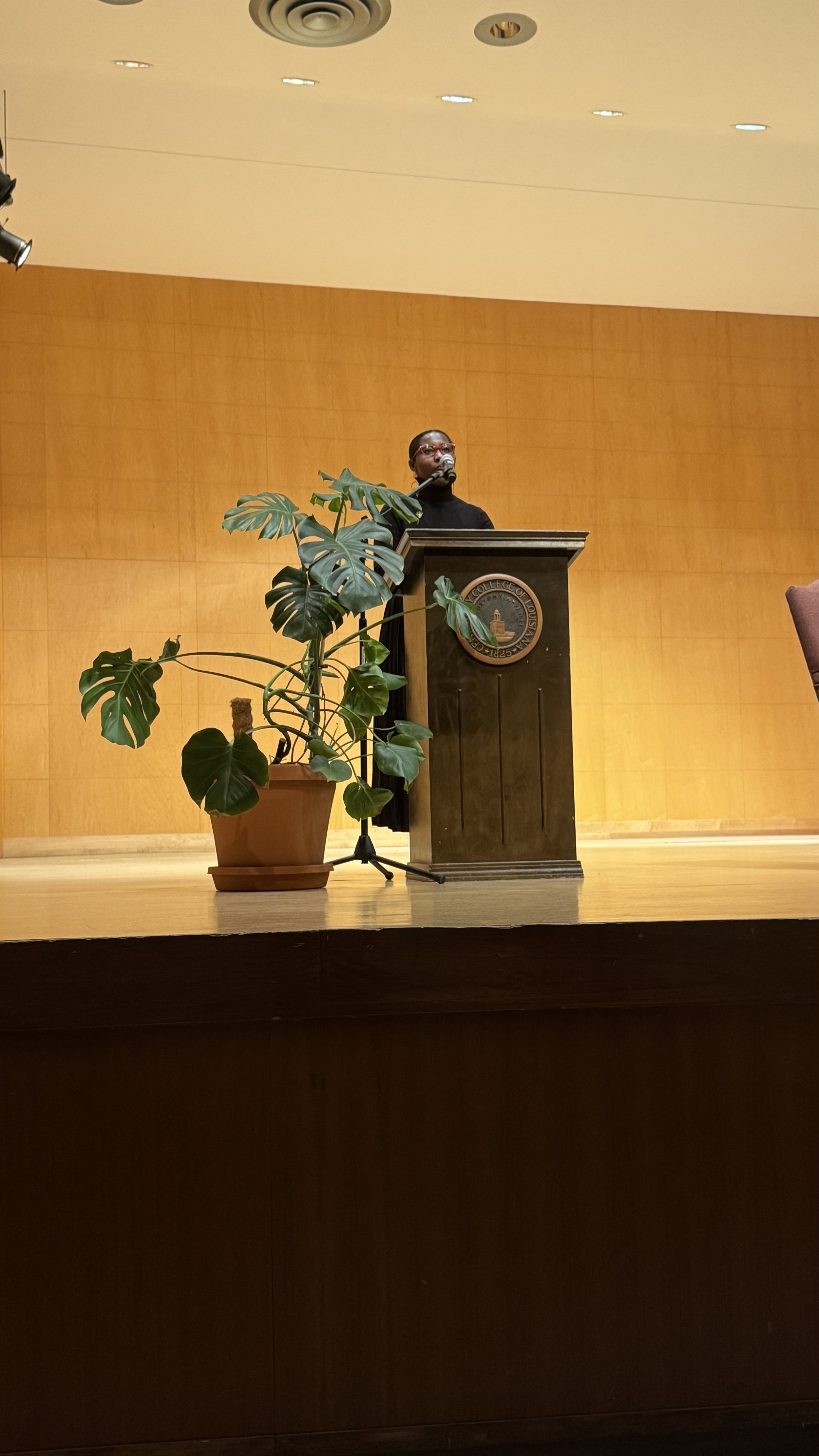
Thursday, January 22nd keynote speaker, Dr. Melton, who is an associate professor and chair of Africana Studies at Rhodes College, came to Centenary to speak with students and faculty about Martin Luther King for Dream Week. Melton asked the audience, for the duration of his speech, to stop thinking about these events of the Civil Rights Movement as something that happened so long ago in the past and instead to start thinking about everything he speaks about as either yesterday or today.
Melton talked about King’s “I Have a Dream” speech that happened “yesterday” and how he often finds that some passages often seem misinterpreted by many readers and listeners. When King says that he has a dream, his faith for the future, he was not hoping that his statement of his dream was something that would magically come true, but he wanted to push people into action to be able to make that dream a reality. Melton also sees King’s “let freedom ring” as a command for everyone to follow; if they want freedom, they must take action in order to see it echoed across the US.
Melton finished his speech by bringing back his “yesterday” and “tomorrow” idea. After he emphasized the importance of action, he stated, “Tomorrow does not just happen; we set it into motion with the actions we take today.” At the end of “I Am Not Your Negro,” Baldwin asks why White people created the dividing, stereotyped view of Black people: “You’ve got to find out why. And the future of the country depends on that, whether or not it’s able to ask that question.” Melton may have taken from Baldwin’s ideas; to make the future and country that you want, action has to be taken now to get there.