A Journey of Najimu: Reflections on Centenary’s Japanese Intercultural Exchange Program
Participating in Centenary’s Japanese Intercultural Exchange Program was more than just an educational experience — it was two weeks of growth, discovery, and connection that I remember being both nerve-wracking and deeply meaningful. As someone fortunate enough to take part in this program, which serves as a more affordable and accessible travel option for students needing their Culture Credit to graduate—as I did—I can honestly say it opened my eyes to new ways of thinking and living. It deepened my understanding of my Centenary classmates and helped me forge bonds with students from Japan that I will cherish forever. The students from Aoyama Gakuin University (AGU) were so warm and enthusiastic during their two weeks here that their presence truly deserves to be celebrated and shared — and I’m excited to do just that!
One of my most memorable moments was during our dedicated Japan Cultural Day, when our friends from AGU shared items and games from Japan. I was captivated by the intricate craftsmanship of Japanese fans made from delicate paper and the challenge of understanding Shogi, also known as Japanese chess. I still keep the fan I received from one of the students as a keepsake—and the whole class was able to receive an abundance of sweets and treats that were brought from Japan, such as mochi, Pocky, and traditional Japanese candies. These treats not only delighted our taste buds, but also offered us a small taste of Japanese culture, making the experience even more immersive and memorable.
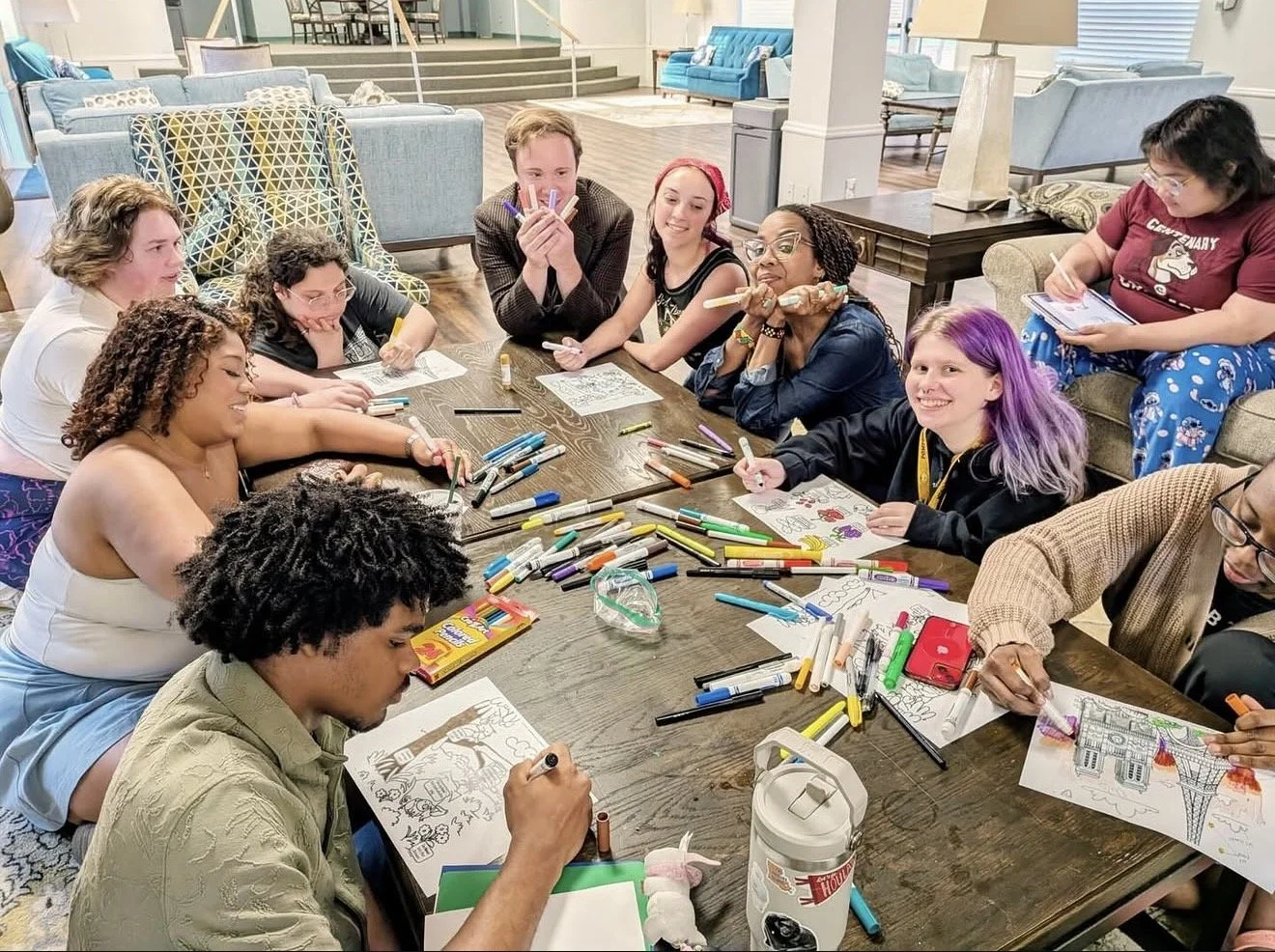
Throughout the experience, I also observed how shyness could be both a barrier and a bridge for young adults. I met students like Issa, a 2nd year mechanical engineering student who was initially reserved, but gradually opened up through shared activities and conversations. I admired Hinako and Natsuki — our only two female students this year — for their quiet determination, eagerness to teach me how to craft Japanese charms, and their warmth despite their shy demeanor. Sitting outside around Centenary, sharing laughs and stories, I realized that genuine connections often blossom in the simplest moments, the sitting, the completaltion—and perhaps there is some true beauty in that.
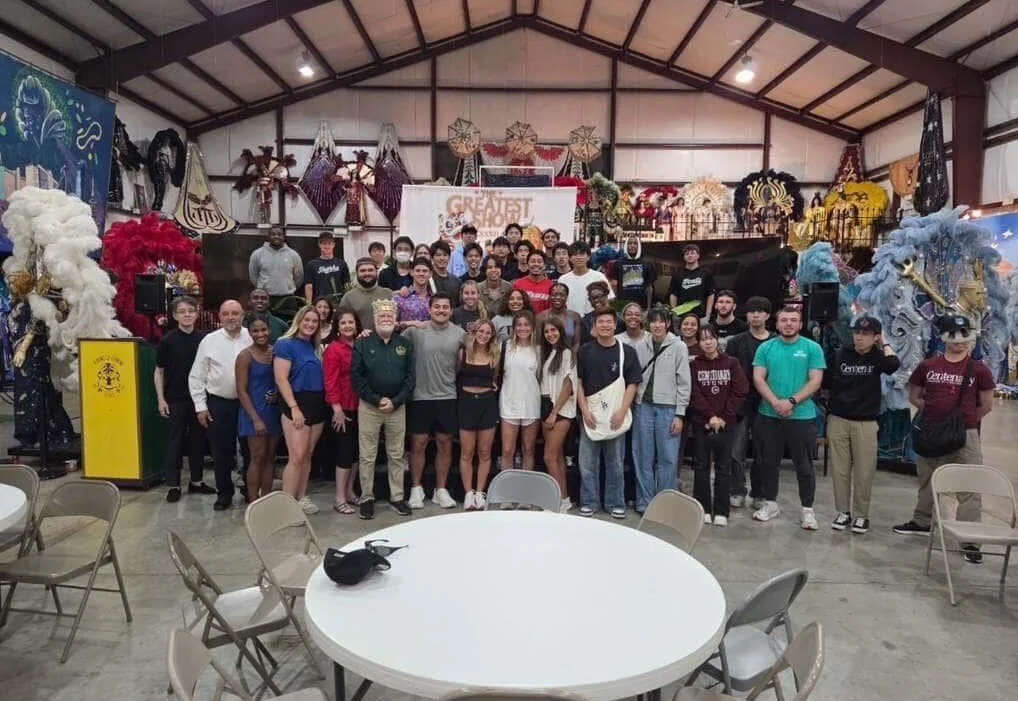
Even class trips to places like the Mardi Gras Museum in Louisiana and the Norton Art Museum & Gardens added depth to our cultural exploration. These outings allowed us to appreciate art, history, and the beauty of new environments here in Louisiana, with many local students coming out of the trips recognizing the beauty of the Shreveport-Boisser area. Walking through lush gardens and marveling at exhibits, I personally felt a sense of wonder and gratitude for the opportunity to see the world through my friends’ eyes. Plus, the flowers and plants behind the Norton were absolutely gorgeous!
A crucial part of my journey was understanding both the cultural differences and similarities. I learned that in Japan, politeness, respect, and formalities are deeply embedded in everyday interactions, contrasting sharply with the more casual and informal ways we communicate in America. Many Japanese students shared how they initially felt nervous about entering our class, unsure of how they would be received, but they appreciated the warmth and respect they encountered, which helped ease their anxieties. I also discovered that high school tuition in Japan can be quite expensive, often serving as a barrier for many families — something that contrasts with the more accessible primary education system here in the U.S. Additionally, I noted that vending machines are a common sight in parks and public spaces across Japan, offering everything from drinks and snacks to small household items. These small details reveal how highly community-oriented and efficient daily life can be in Japan, emphasizing convenience and a sense of shared resourcefulness—something I believe could be beneficial if implemented here in the States.
Ultimately, this exchange really reinforced my belief that cultural differences are not obstacles, but opportunities for growth. It’s through understanding, patience, and shared experiences that we build bridges—whether through a game of Shogi, a craft, or simply sharing a meal together.
In a time when authorities and institutions promote division and foster fear of cultures different from their own, I believe programs like this are vital. They remind us of the beauty in diversity—of recognizing and respecting what makes each of us unique—and of coming together despite our differences. The Japanese concept of najimu, which emphasizes closeness and togetherness, resonates deeply with me because of this. We live in an era of commodification and uniformity, where many believe only certain people have the right to belong in particular spaces unless they conform to the majority. We’ve seen this mindset throughout history, and honestly, it’s frightening to see it reemerging in the modern era. However, taking this class with people from diverse backgrounds has shown me that love and understanding can flourish despite everything—that communities can and should matter, and that kindness and goodness are achievable even for college students. We still have a long way to go, and there were times in which I think Centenary students in the class could have been better in their language discussion, but I believe these moments are part of the learning process of life and enrichment—reminders that growth is continuous, and that even amidst imperfections, progress is possible. Through this experience, I’ve come to believe even more strongly that we can help each other grow into better, more compassionate, open-minded, educated, and connected individuals. That, I think, is the true gift of cultural exchange.
Arigatō to our friends from Japan — we’ll see each other again soon!