Where the Roads Break, Flowers Grow
There is a new trend sweeping across America that is turning a phenomenon normally linked to annoyance and vehicle damage into an entirely new art form, with many citizens taking it upon themselves to fill potholes with flowers rather than wait for the government to make repairs. While initially a personal response to a common problem, this movement has quickly spread through social media such as TikTok and Instagram and has developed into a protest and artistic statement, particularly popular among the younger generation.
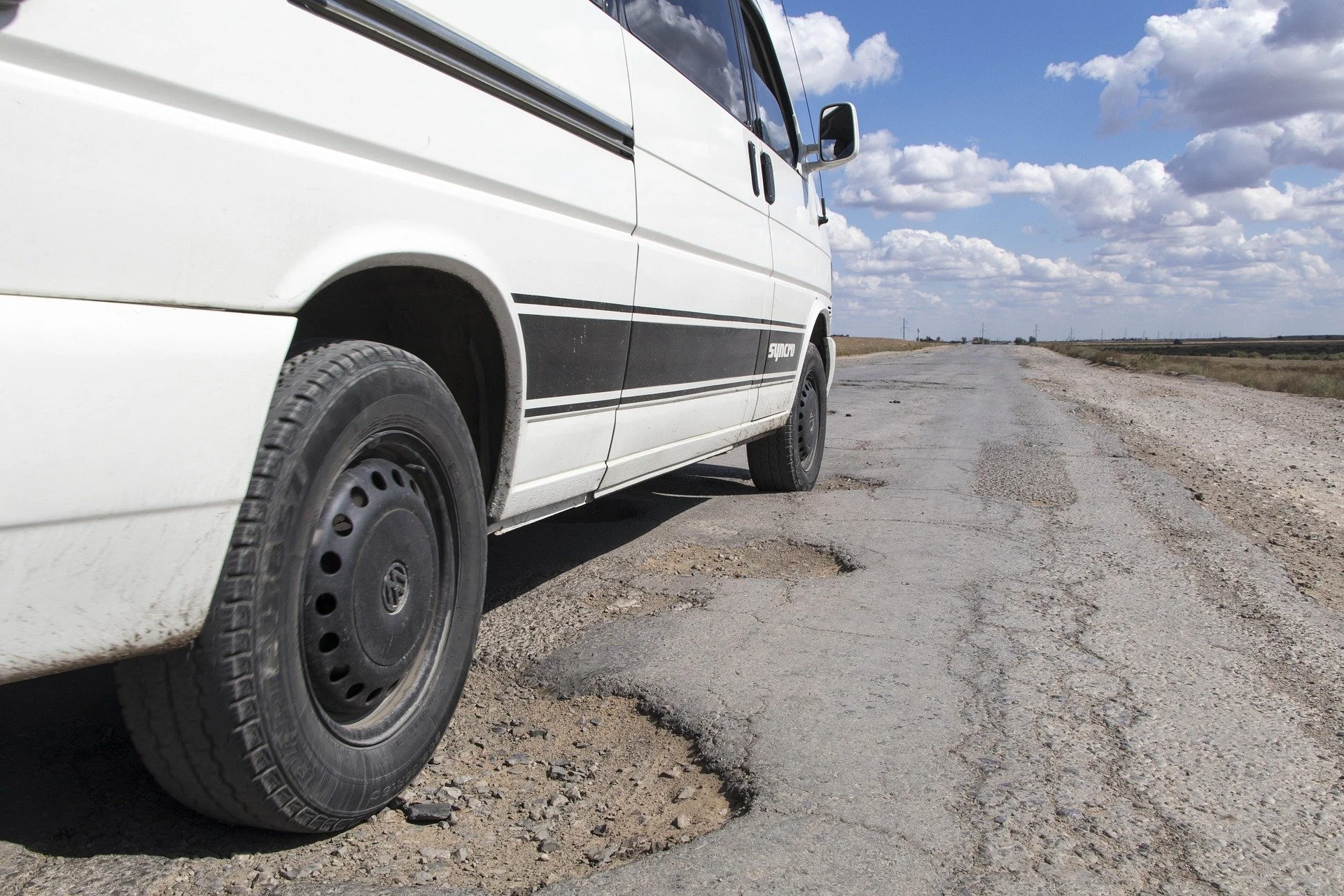
“39% of major roads in the U.S. are in poor or mediocre condition,” which demonstrates the magnitude of the infrastructure degradation in the United States. The common nature of the problem explains the ongoing presence of potholes in both rural and urban settings. In Louisiana, the problem is exacerbated by the frequent occurrence of rains and floods, as well as the movement of the soil, which speeds up the process of degradation. College students who own a car and travel a lot should be concerned about these problems.
Unlike those who choose either to report the potholes to the appropriate bodies or just ignore them, other people have adopted a much more proactive and creative solution. The videos available on various social media platforms portray individual citizens filling up the potholes with earth and planting flowers to create tiny gardens. Although these methods may not be officially accepted, they are commonly perceived as a form ofguerrilla gardening, a trend that has been prevalent in big cities like New York and London as an attempt to reclaim the unused spaces in the cities through gardening. In many cases, the visibility of these acts online increases public awareness of infrastructure issues, sometimes prompting faster responses from local authorities simply because the problem gains attention.
This trend is part of the broader pattern of digital citizen participation, which allows for the amplification of issues at the local level, making them enter the public consciousness. According to the research findings, “the use of SNS for news was positively correlated with civic participation.” This means that those who use social media to get information about the world are more likely to participate in solving local issues. Thus, in the example of flowers being placed in the holes in the asphalt, the social media effect raises the problem, even though it does not repair the damage itself.
In conclusion, although planting flowers in potholes may not provide a long-lasting solution, this practice highlights the actual and concrete issue that exists in America. Although cities need investments and maintenance programs in order to ensure road safety, such creative attempts illustrate that citizens are looking for ways to raise their voices until then. It remains to be seen whether this trend will die down as a passing phase or will continue to expand and develop.