Injury and Mental Health in College Sport
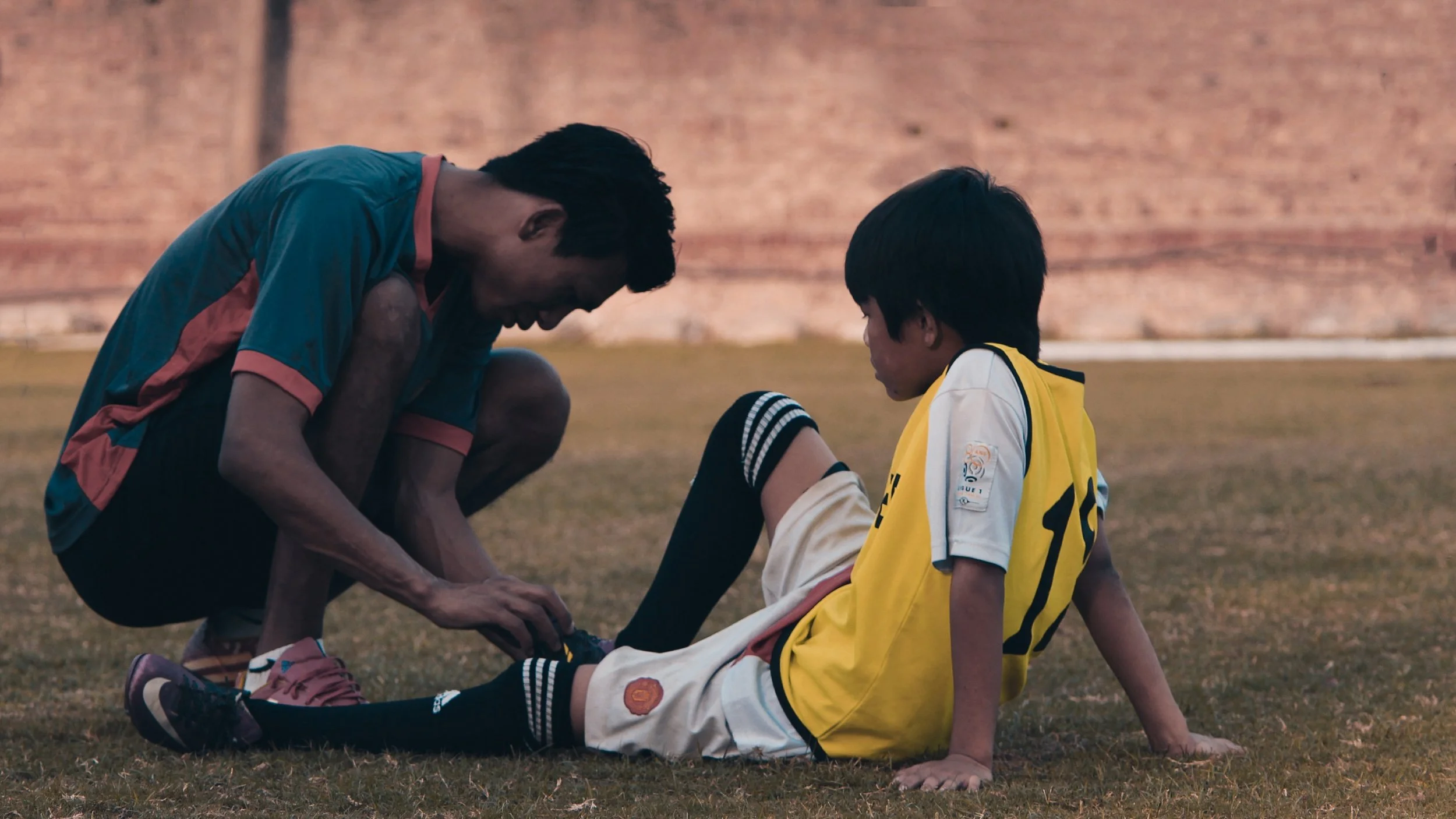
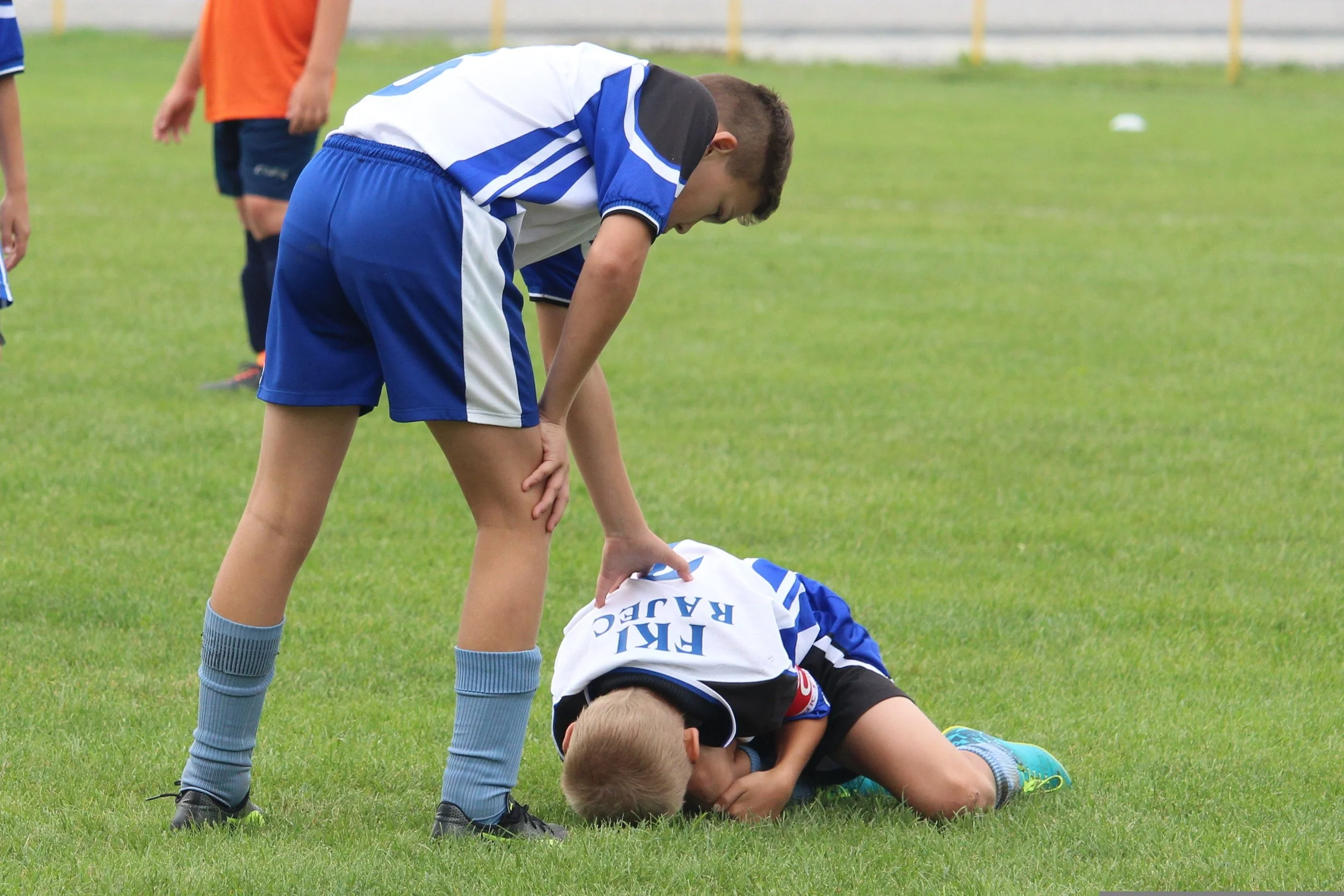
College athletes account for more than 1 million injuries per year, with some causing an athletic career to end. While most attention falls onto the physicality of the injury, what many sports fans do not take into account is the mental toll that an injury can take on athletes. Dr. Andrew Ahrendt, a former collegiate baseball player turned clinical psychologist, shares some insight into the minds of injured athletes.
Throughout his studies, he shares some common psychological responses of injured athletes that contribute to poor mental health. These include depression, anxiety, lack of motivation, identity crisis, and overconfidence. All of these responses are unique to the athlete and their specific injury. For instance, if the severity of the injury is high enough for an athlete to be out of sport for an extended period, that athlete is more prone to feeling depressed and unmotivated to regain their health. Another obstacle for athletes is the fear that they will reinjure themselves when returning to sport, causing them to not perform as well as they once did before the initial injury. On the other hand, this can have the opposite effect, where an athlete does not take their injury seriously enough and returns to sport too soon, which can result in further injury. Though these are very serious regarding the mental health of athletes, Dr. Ahrendt expands on the healthy psychological responses of injured athletes by providing helpful coping mechanisms.
Dr. Ahrendt stresses how important it is for athletes to acknowledge the state of their mental health at all times, but especially when injured. Some of the ways he mentions to maintain a positive state of mental health include communicating openly about their feelings and concerns with recovery and returning to sport. Another tip he gives is to set goals and remember to control the controllables. Athletes should take things one day at a time in order not to feel overwhelmed by their recovery timeline. Finally, Dr. Ahrendt emphasises the importance of being an active teammate in times of injury. By supporting their team, injured athletes continue to feel like they are contributing to the success of the team, even if it is only from the sidelines. He also suggests reaching out to a sports psychologist to better navigate the mental obstacles that come with sports injuries to ensure a healthy process of mental recovery.
Injury in sports is inevitable; however, knowing how to properly manage the state of an athlete's mental health is just as, or even more important, than the physicality of the injury itself. With the help of research like that of Dr. Ahrendt, supportive teammates, and a high state of mental health, an injured athlete can not only make it back onto the field but also serve as a model for other injured athletes and what they too can accomplish. If you or a teammate is struggling with poor mental health, please resort to the resources that can be found at the bottom of this article.
Courage First Athlete Helpline: 1-888-279-1026