When Louisiana Froze Over: Surviving the Late-January Cold at Centenary
Typically, winters in Louisiana are moderate, without temperatures dipping far below freezing. However, the cold snap in late January contradicted this expectation for the state. A major winter weather system blanketed Shreveport, bringing freezing rain, ice, and temperatures in the low 20s to much of north Louisiana. There were several consecutive days of below-freezing temperatures, along with wind chill, affecting Shreveport. There was even a forecast that stated even a little bit of ice could create hazardous road conditions, especially in areas not accustomed to winter weather. It was emphasized that Louisiana’s lack of winter infrastructure increased the danger posed by these conditions.
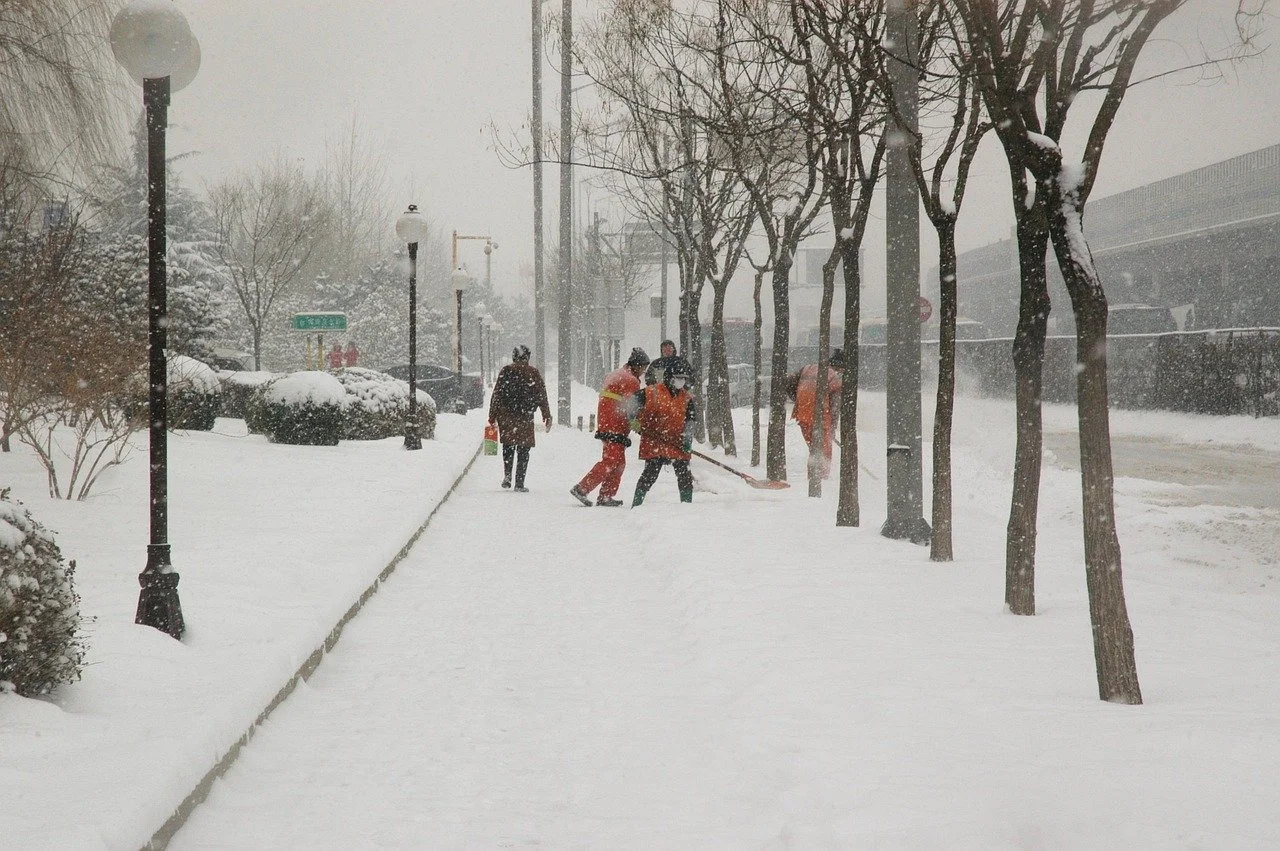
The state officials did not take long to react to this forecast. In fact, on January 22, a state of emergency was declared statewide by Governor Jeff Landry. In this address, he cautioned Louisiana about the dangers posed by this forecasted storm, which was more dangerous than previous instances. The reports indicated statewide worries regarding ice buildup, frozen temperatures, and power as well as pipes being frozen. In north Louisiana, including Shreveport, residents were issued repeated warnings regarding travel due to freezing rain and freezing temperatures.
On campus at Centenary College of Louisiana, the effects of the freeze were felt almost immediately. Early mornings brought icy patches on sidewalks and shaded walkways, making routine walks to class cautious trips across campus. Campus alerts warned students of freezing conditions and urged extra caution when making their way outside. Classes were canceled for three days due to these extreme circumstances. These cancellations highlighted how significantly the freeze disrupted academic schedules and daily student routines.
Beyond Centenary, the storm produced many serious effects. For instance, various reports indicated and confirmed the occurrence of major power outages in north Louisiana, resulting from ice accumulation and falling tree limbs. The Department of Health in Louisiana then revealed “the ninth winter storm-related death.”
The freeze for the students, particularly the freshmen who experienced their first winter outside of the state, was definitely a unique feature of the semester. The issue resulted in talks about the unpredictability of the climate, as experts believe that similar events will occur in the years to come.
As the temperatures eventually rose back up into the 50s, things gradually returned to normal around the Centenary College grounds. As the ice thawed and the heavy winter coats disappeared, the freeze of late January would be remembered as a collective event characterized by cold weather walks and dressing in layers and the joy of living in the South’s pleasant climate. The sudden and extreme weather, while brief, was a reminder of the reality that even in the South, severe weather can strike at any time, and the students must adjust just as fast.