From Trash to Table: How New Science Is Turning Waste Into Protein
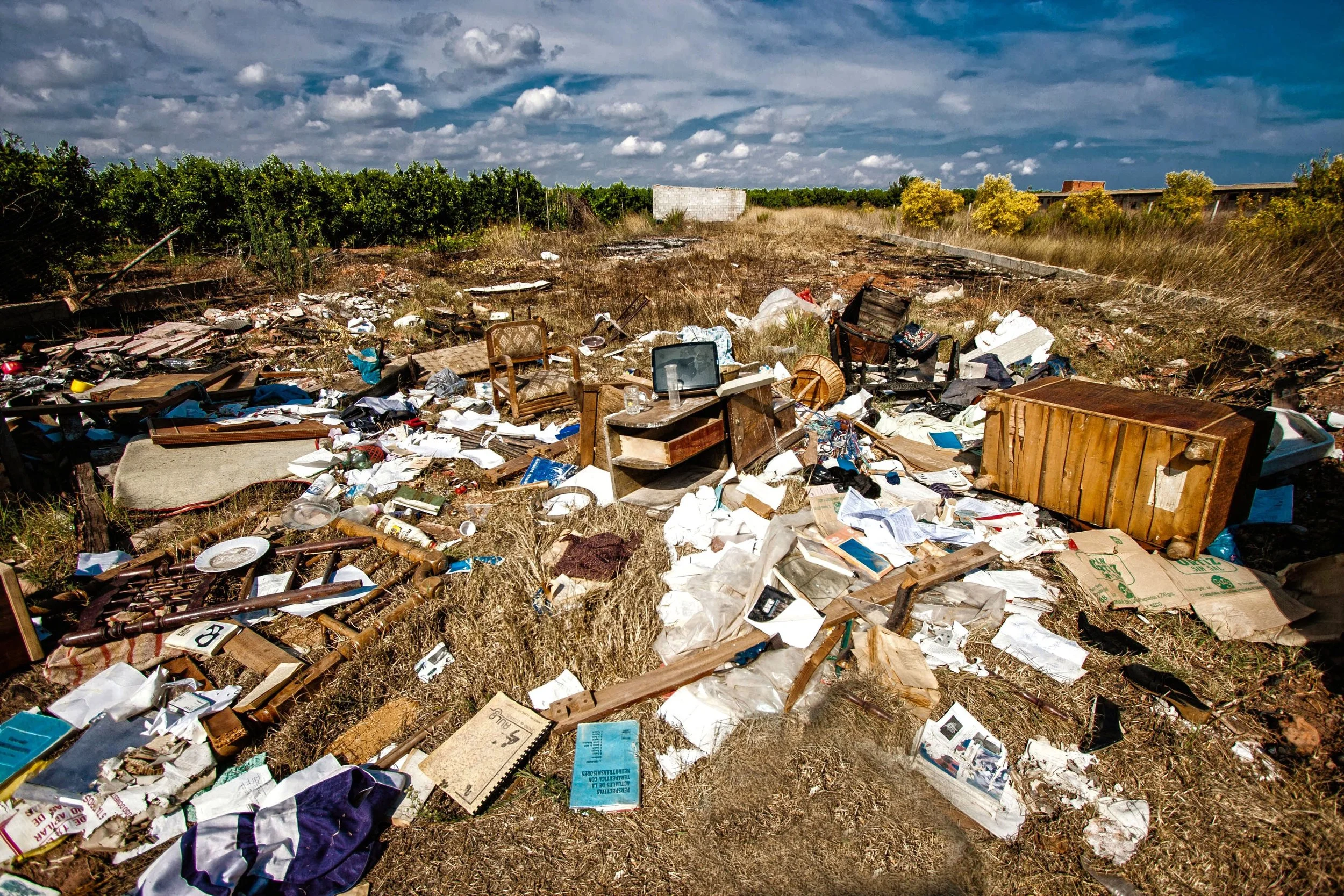
At first glance, the idea may sound repulsive, the idea of using waste to feed people, but research suggests that it may be one of the most viable solutions to the world's hunger problems and global warming. Every year, millions of pounds of food are thrown away, causing problems for the environment. According to research, “the global food industry generates 2.5 billion tons of food waste annually, of which over 30% is lost or wasted. ” For Centenary College students, this is not just a global issue; it is a problem faced by Louisiana where agriculture produces significant organic waste.
One of the most important ways that scientists are able to transform waste into protein is through microbial fermentation. This involves using bacteria, yeast, or fungi to break down waste into protein. While this sounds like something out of a science fiction movie, it is actually based on things that humans have done for thousands of years, such as baking bread or yogurt. By providing microbes with waste instead of sugars or grains, it is possible to produce a protein source that is both sustainable and nutritious. Microbial biomass can contain protein levels of up to 70% by dry weight. This is an important breakthrough because it shows that what was once considered trash could be an important part of our future.
However, the benefits are not limited to nutritional value. The production of microbial protein has the potential to greatly reduce environmental impact, which is often caused by conventional means of agriculture. Crops like soybeans contribute to environmental degradation, which affects the ecosystem. The production of protein by microbes, however, has the potential to greatly reduce this impact. According to research, microbial protein production may reduce environmental impacts by up to 88% compared to soybean-based protein. This is, therefore, a solution to issues like global warming and hunger at the same time. To students at Centenary, this is a real-life example of how biology and the environment interact, which may be a chance to study and possibly find a solution to the problems affecting the environment.
While there are many promising aspects of microbial protein, there are also some drawbacks. The different forms of waste need different forms of fermentation, which makes it hard to mass-produce. The cost of production remains high, and there might also be a general public perception that could hinder the adoption of this technology. The public might not want to consume a product made from waste, even if it has been proven safe for consumption. This shows that, aside from research, there is a need for public education, which Centenary students majoring in communications, political science, or public health might have a hand in.
Lastly, this research has a strong relevance to Centenary College, especially since the state of Louisiana generates millions of tons of agricultural waste each year. This waste has the potential of being converted into a source of protein, which could have a positive impact not just on the environment but also on the economy. This means that, aside from global problems, Centenary College students might also have a chance at solving problems right here in Louisiana.
The innovation challenges one to think differently about waste. Instead of something to be discarded, waste becomes a resource that can provide sustenance for humanity and the planet. The future of food for Centenary students may not only be something they read about in a textbook but perhaps something they can play a role in creating. Microbial protein illustrates that innovation can be important at a global level and that science can turn challenges into opportunities.