The Game-Day Guide to Intramural Sports
Intramurals at Centenary are very different from the typical college. At a place similar to LSU or Alabama, student organizations are creating teams. These teams play against each other in season-long tournaments to dictate a final winner.
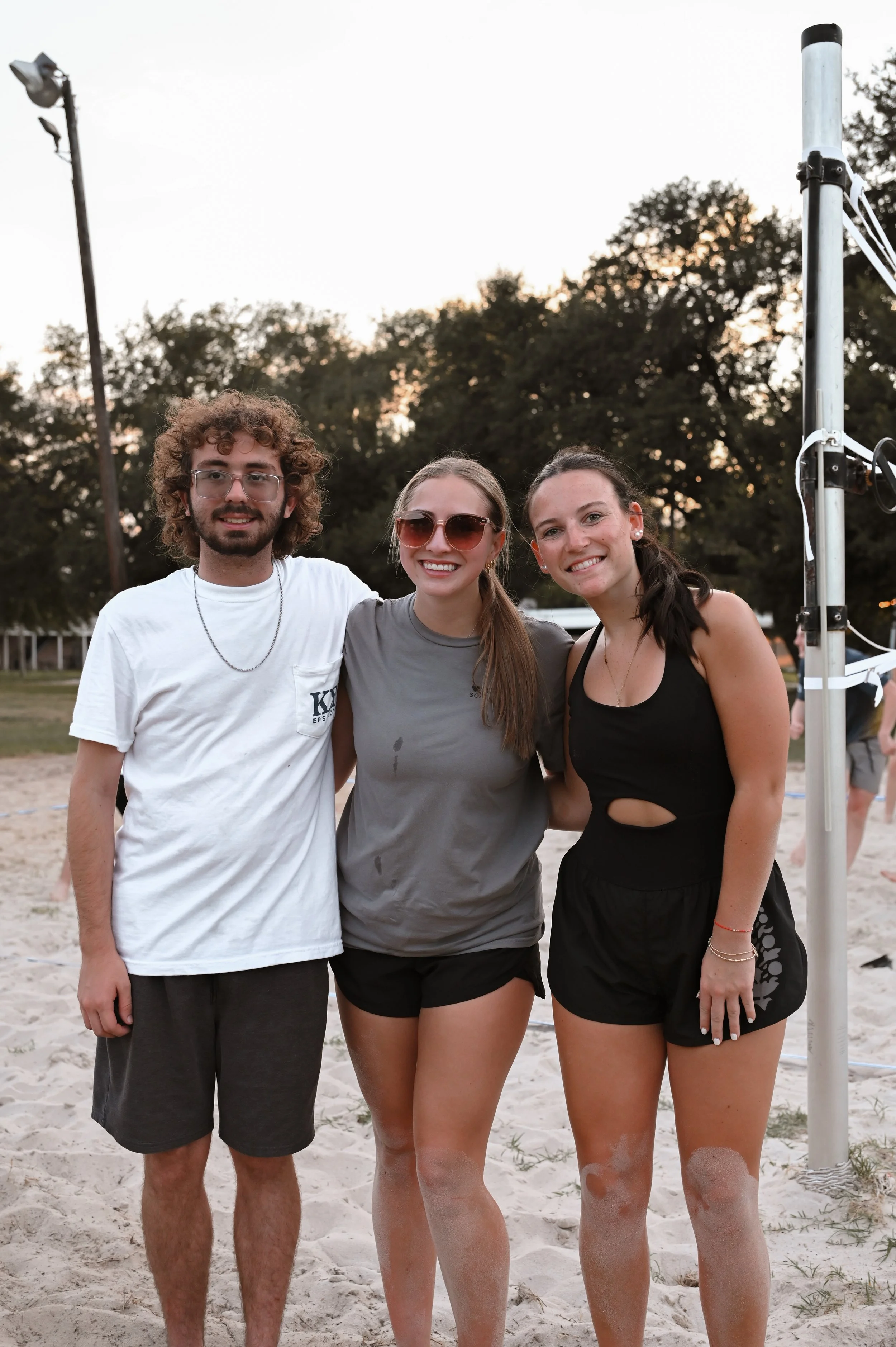
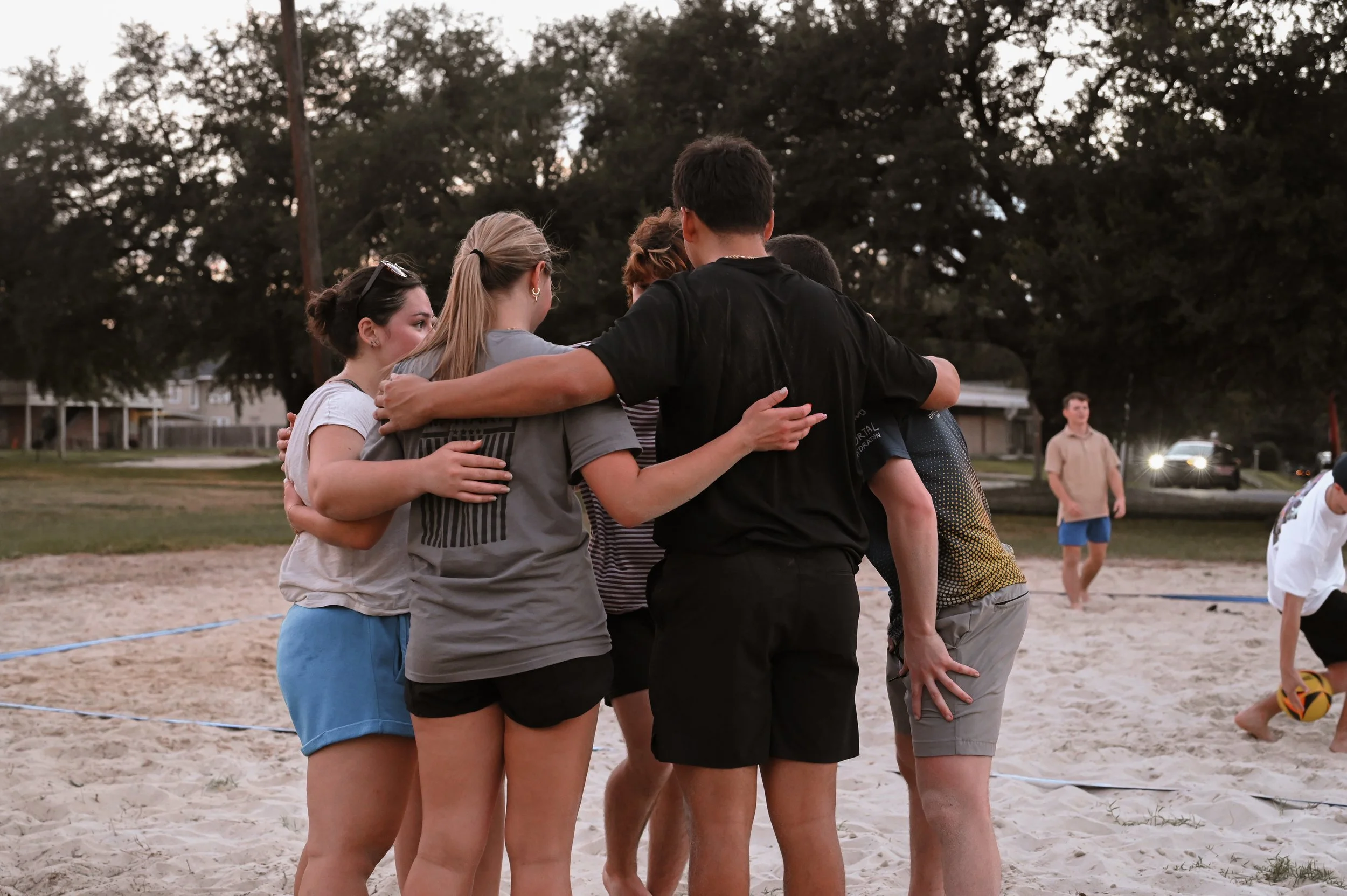
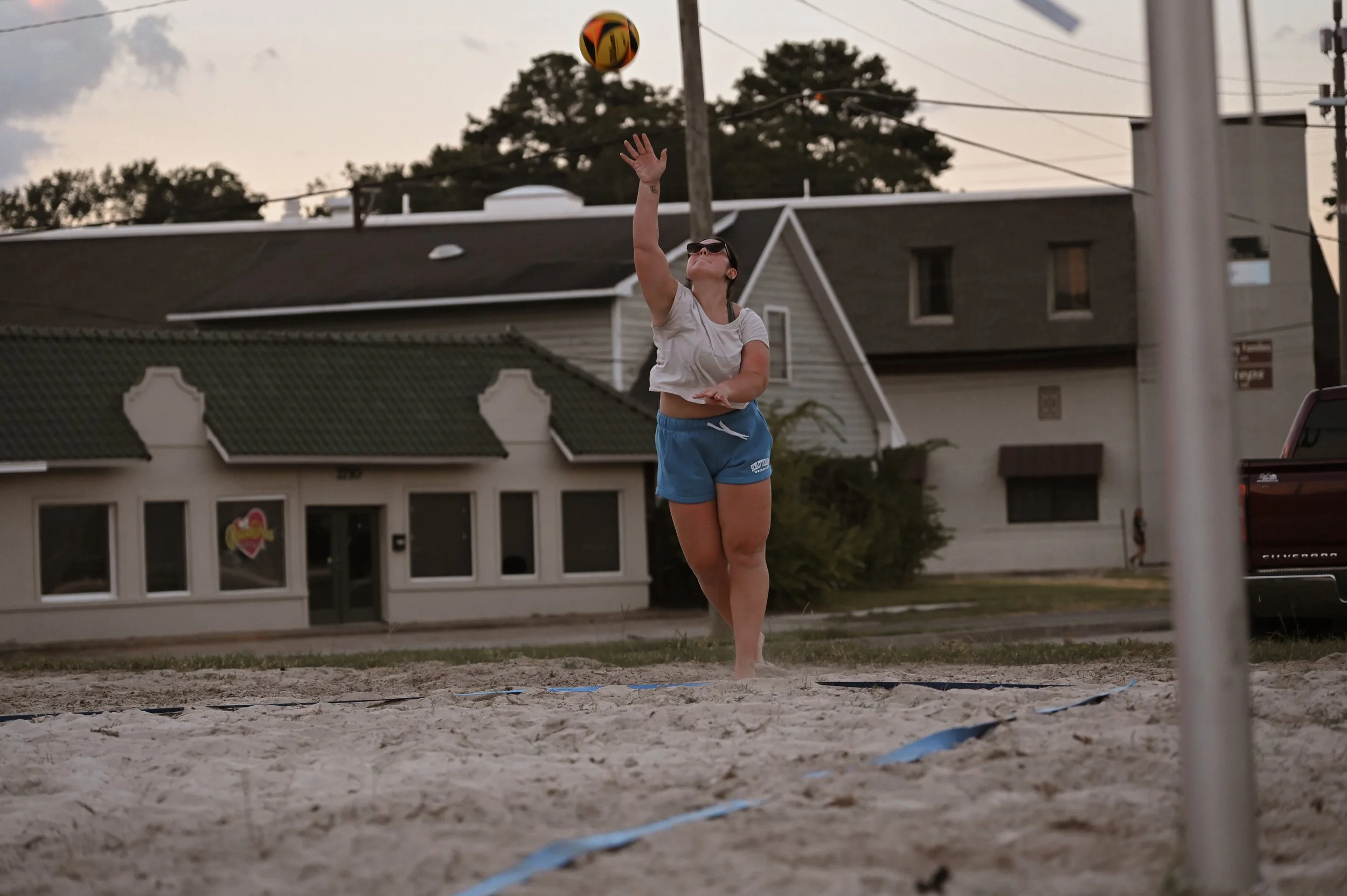
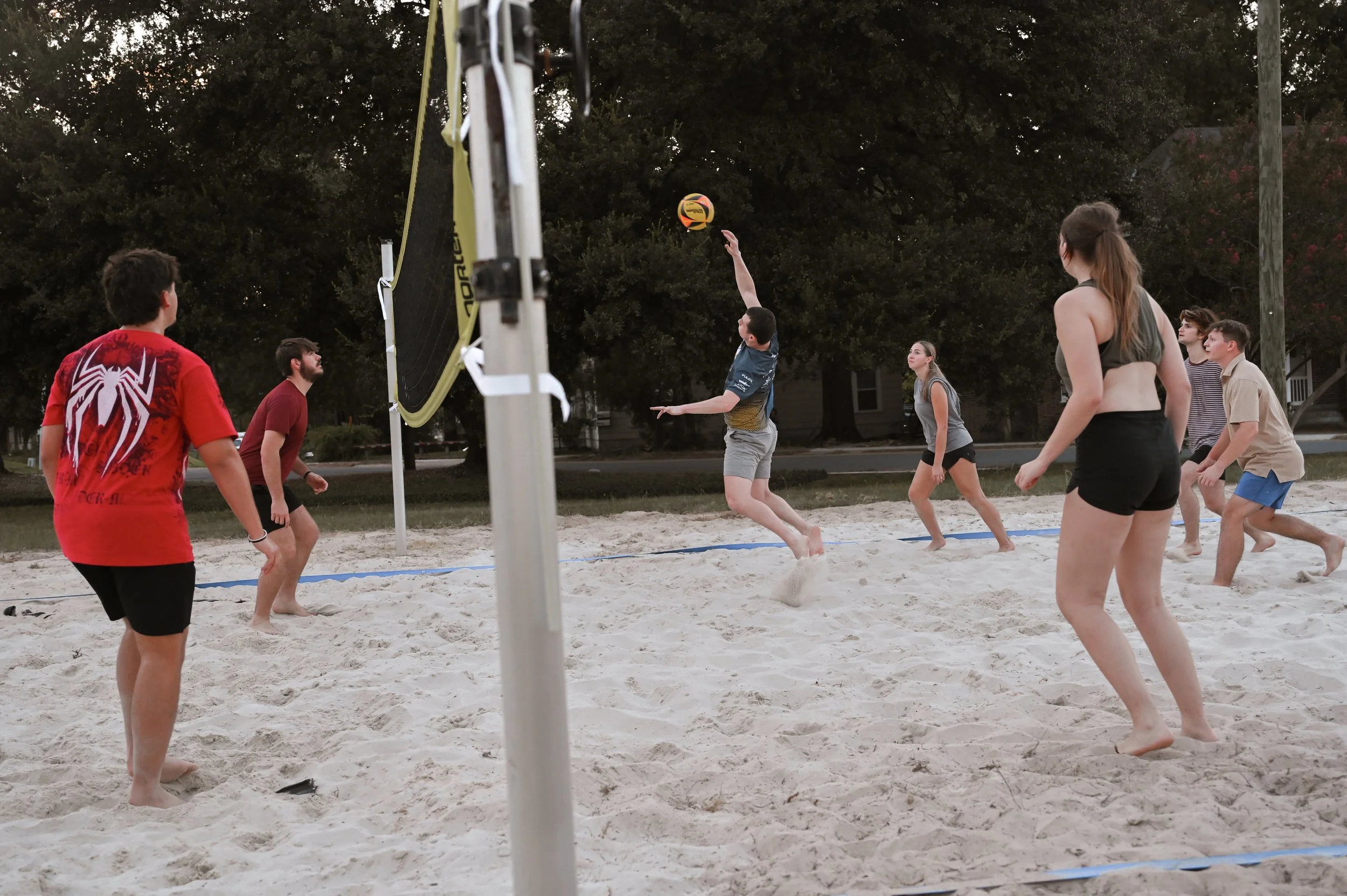
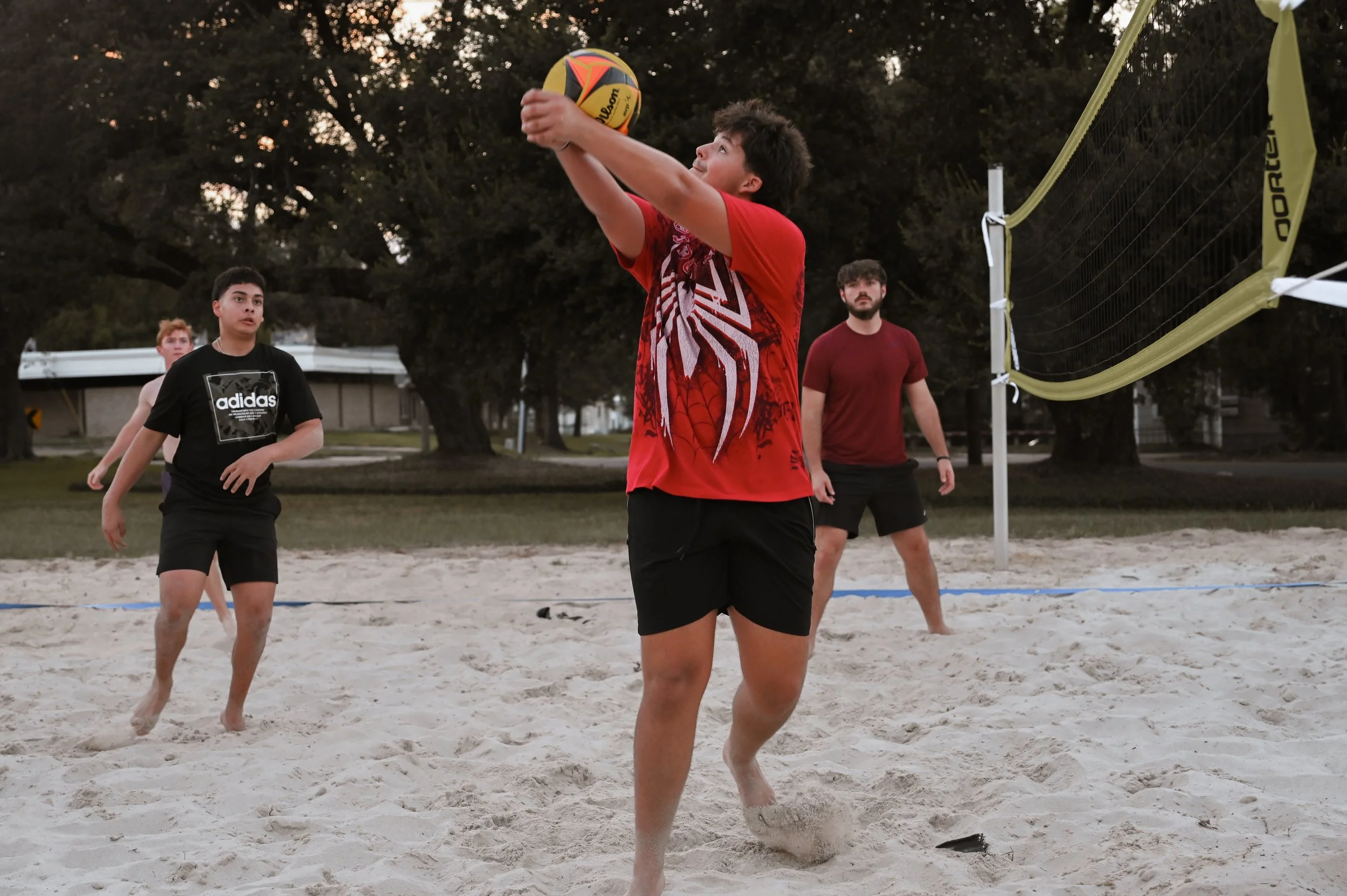
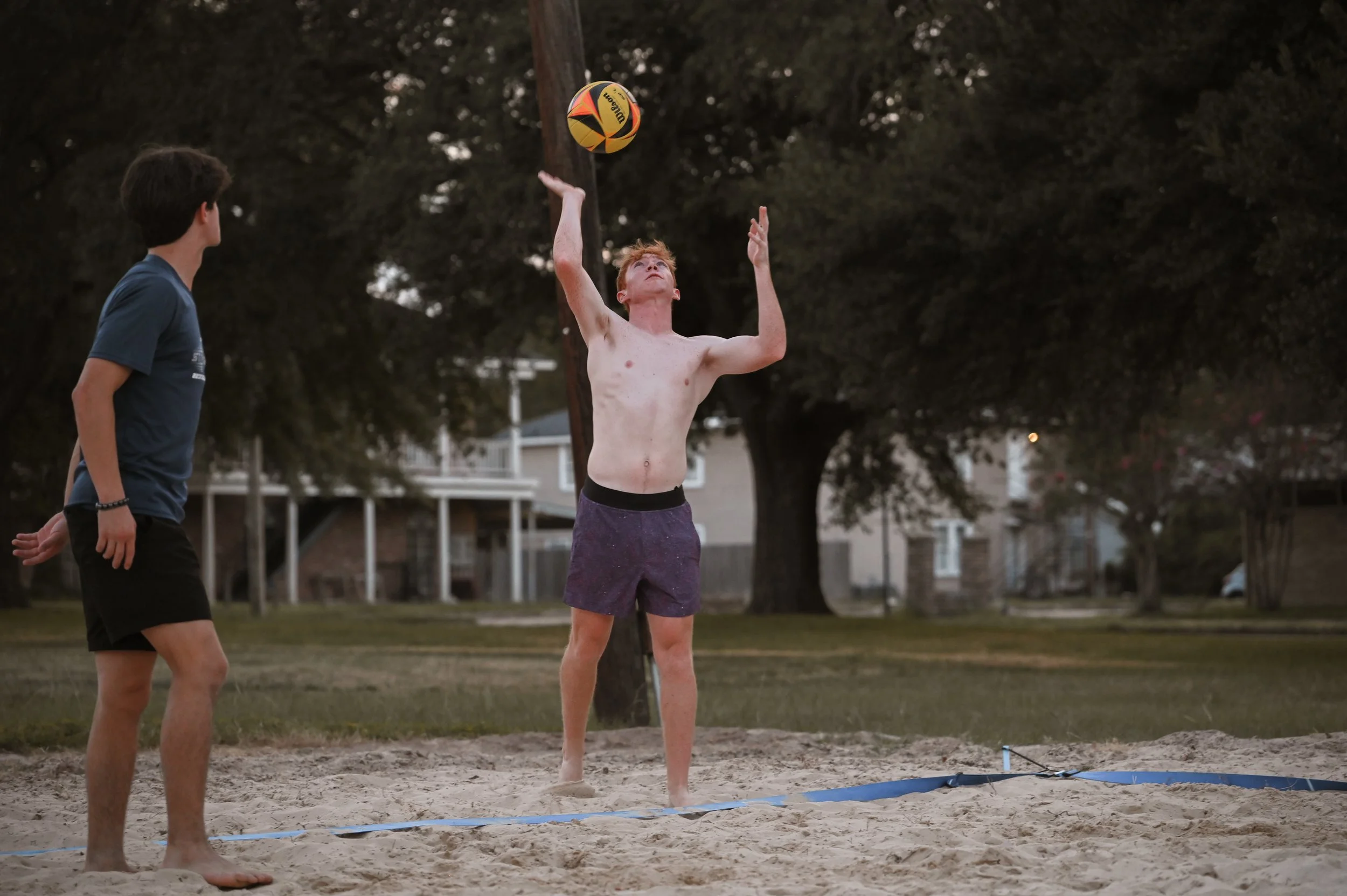
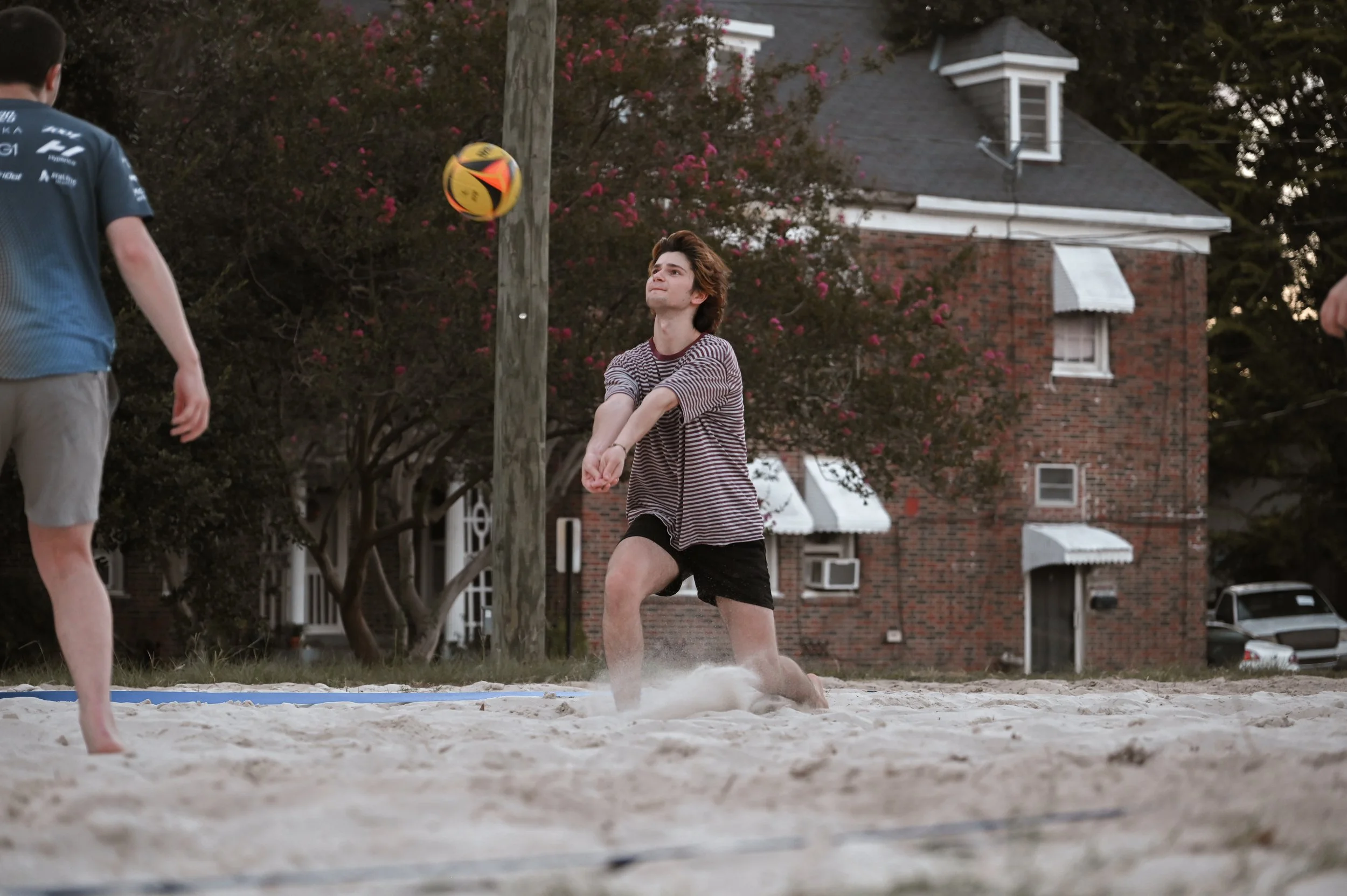
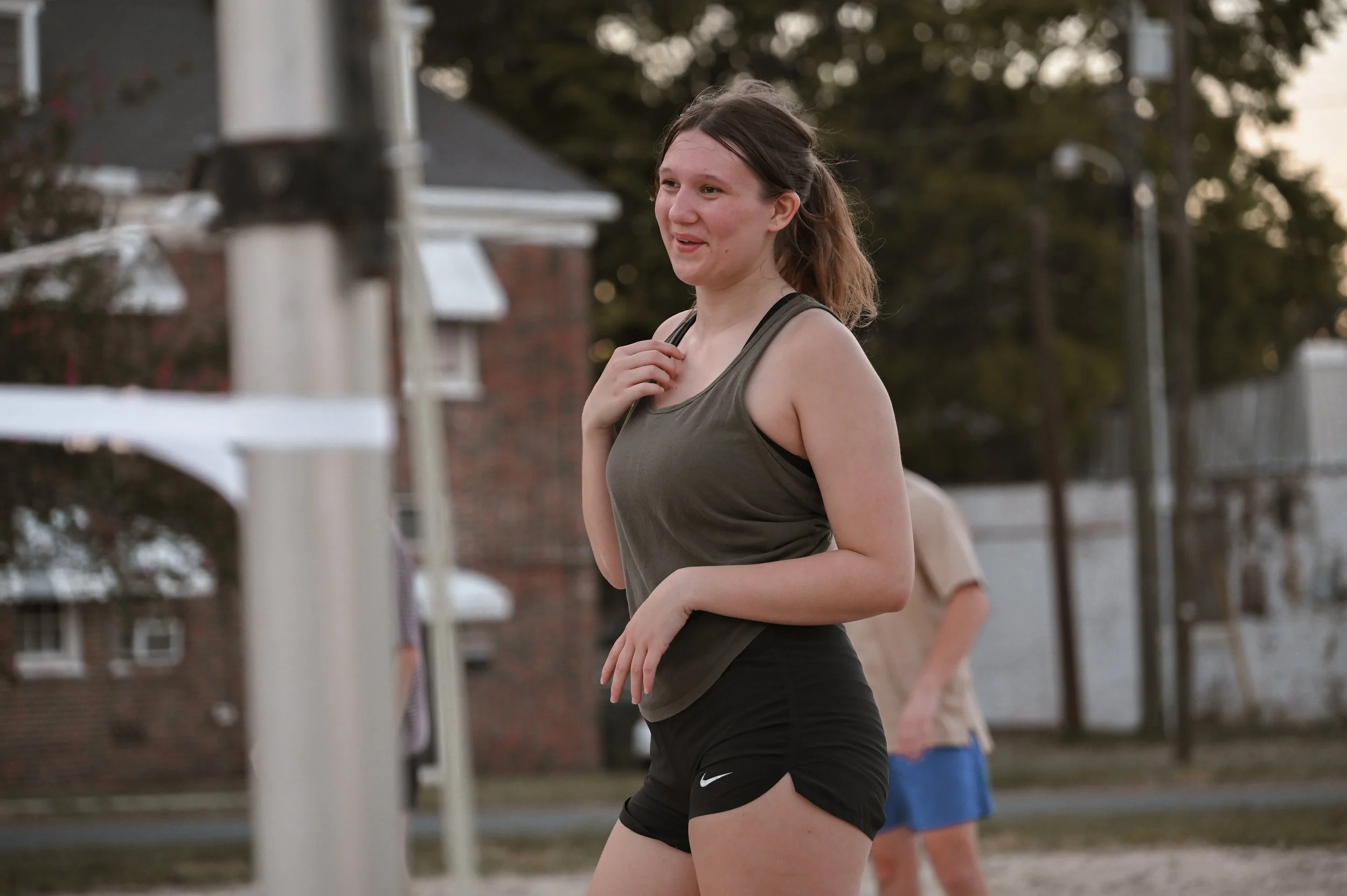
At Centenary, intramurals consist of a “come as you are” mentality. Team or no team. Athlete or not. Organization or not. All are welcome.
The goal is not to build the best team or crown the next champion. It is about giving students the opportunity to try something new, get outside and “touch grass.”
So, what does this make intramural game day look like?
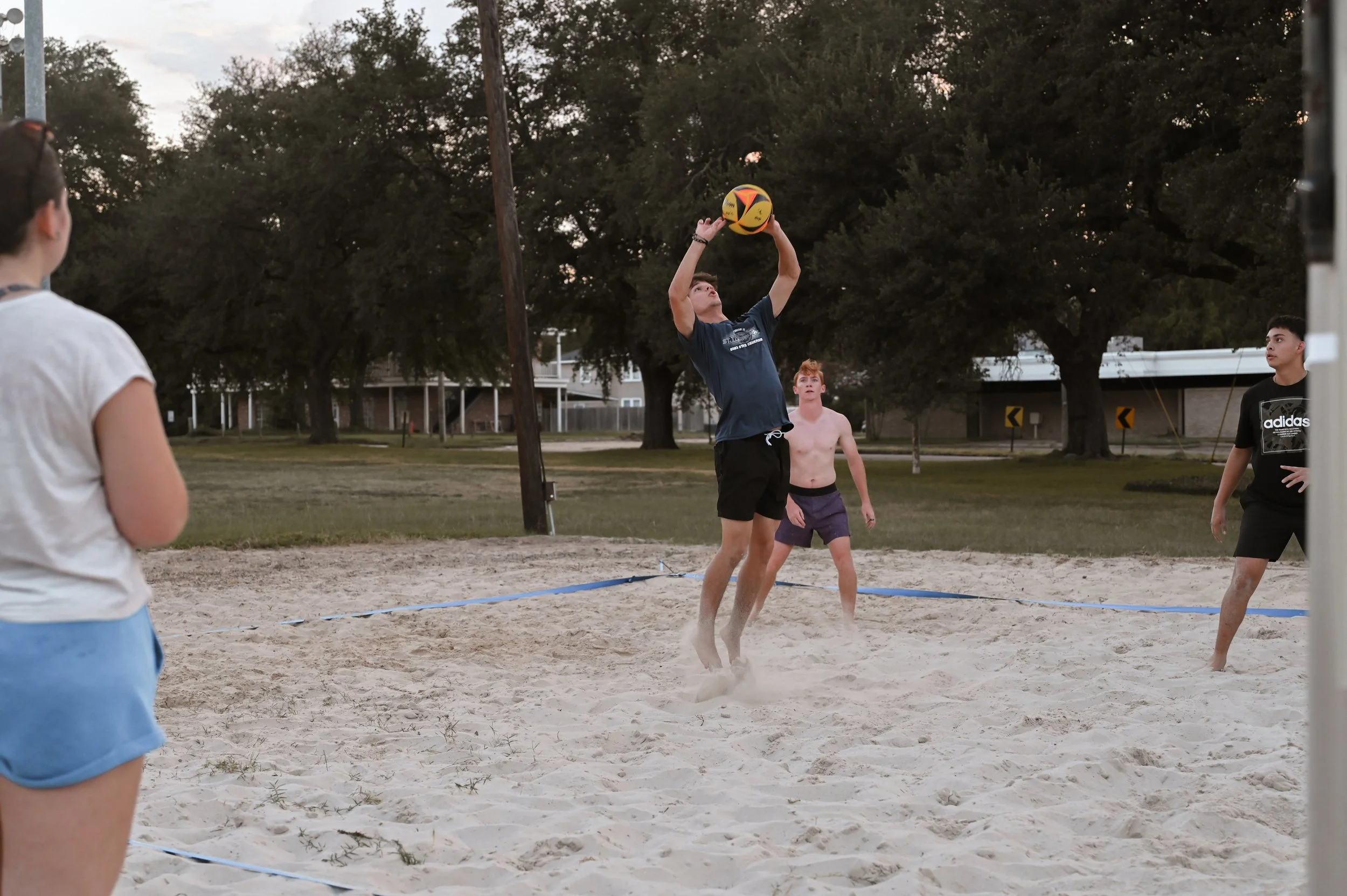
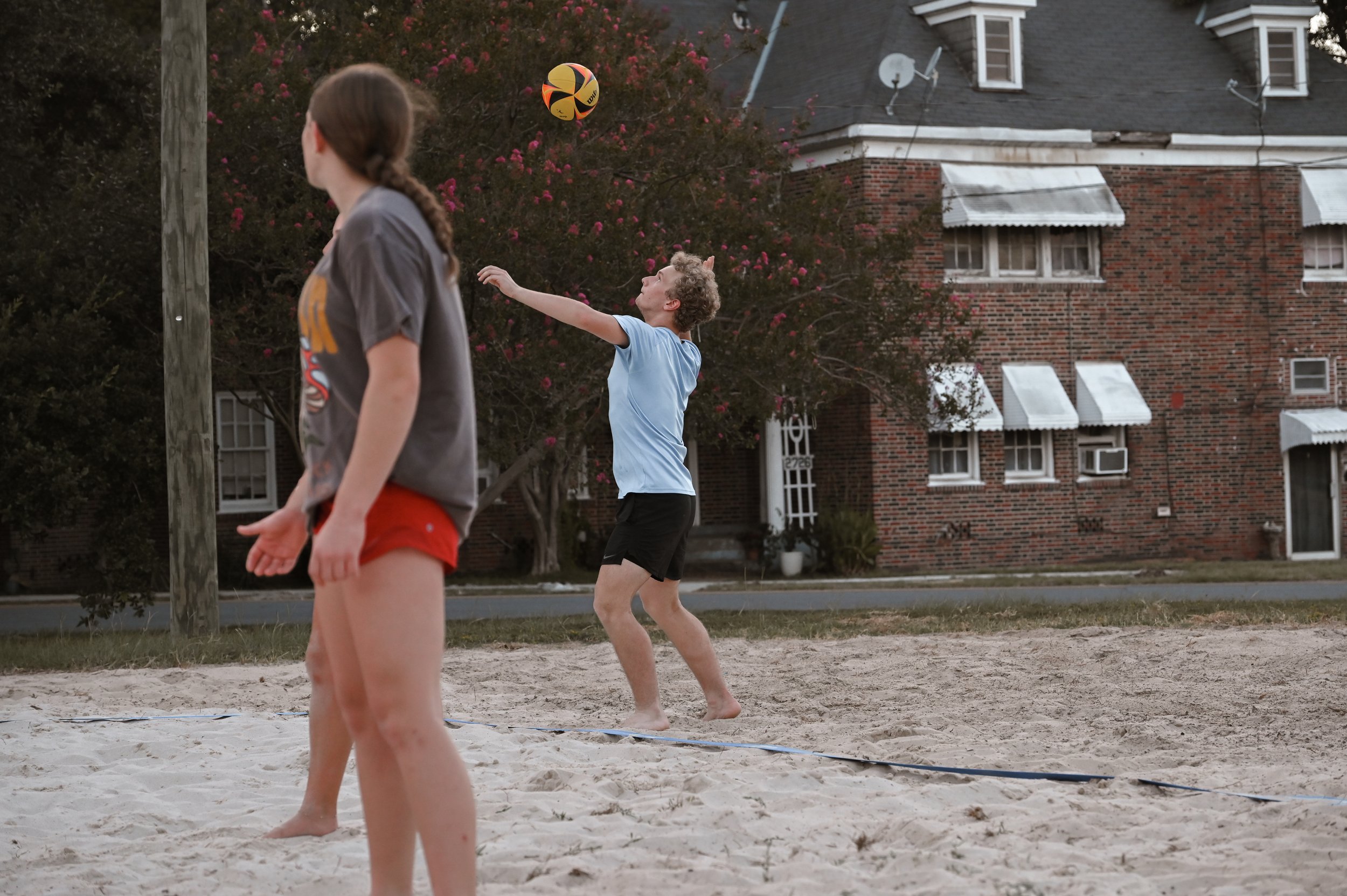
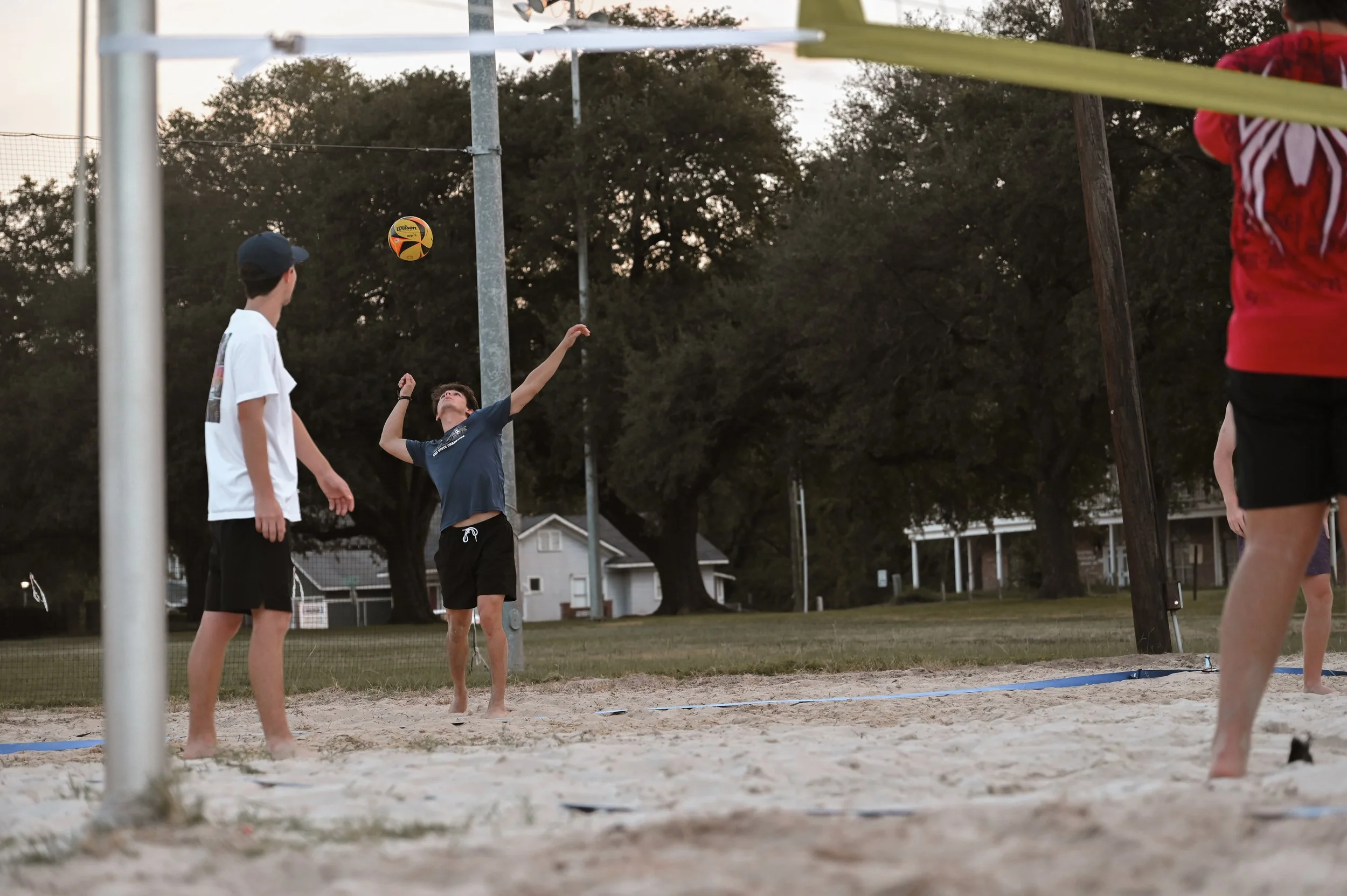
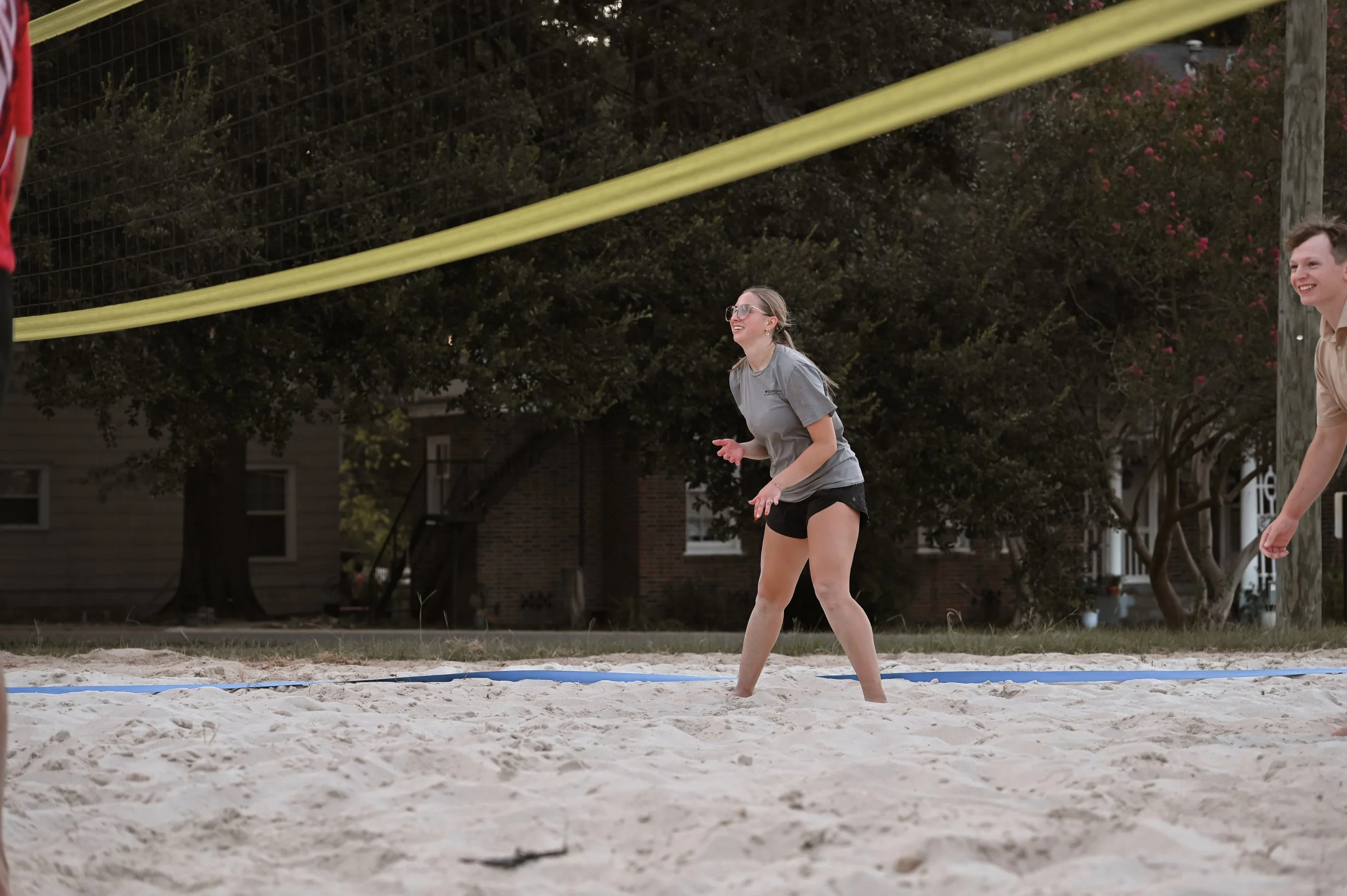
On Tuesday, Sept. 1, the intramural club held its first event of the year. It was safe to say the first game day was a hit, with nearly 25 students playing sand volleyball for more than two hours under the lights.
Students came and went throughout the night, forming teams and enjoying a break from the usual school routine.
For some students it was more than just a game of volleyball. Freshman PJ Boudreaux shared that it was “truly a great experience and brought everyone together as a community.”
Experiences like this can be especially valuable for incoming students while also continuing to build a strong culture at Centenary.
For sophomore Dillon Christensen, intramurals offered a different kind of experience. She shared that she used to feel like she could only participate in activities that were truly competitive and required a winner. For her, intramurals changed that perspective. Instead, she was happy to simply take part in something happening on campus.
Her experience highlights what makes Centenary’s intramural program different. It is not limited by class, athletic experience or competitive drive. Freshmen can play alongside seniors and athletes among students who have never played a sport.
Whether you want to blow off steam after a long lecture or stay active without the high-pressure stakes, Centenary’s Intramural Sports offers a place for every student to find their step. This past Wednesday, the student-led Centenary Run Club took to the neighborhoods surrounding the Gold Dome for an early evening run.
Run Club is available to everyone regardless of fitness level. It accommodates runners and walkers of all paces by splitting into three groups: walking, 5K and 10K. This structure makes sure that no matter where you are in your fitness journey, you never have to do it alone. The club grew from connections on campus. Professor Zunnick shared that his involvement with Run Club grew naturally through community bonds.
“I was running a 5K with Michael Pullano, Associate Director of Admission, and he asked me to help him with the club,” explained Zunnick.
For many recreational runners and student-athletes, the weekly run serves as a mental reset during a challenging academic routine.
“It’s a great way to think and really calm your nerves so that you can go lock in and study after,” said student Tyler Bullard.
Beyond the physical benefits, Run Club's core value is breaking the mental barrier to start running. Club member Evan Halbert said that Run Club is a supportive, accepting environment for students.
“It’s a great way to get active. Running at times can be very challenging to get into, with a lot of the hardest parts being the start of your running career,” Halbert noted. “The club is designed to provide a place for all runners of all skills to hang out and support each other on their journey.”
Run Club and Sand Volleyball are just small pieces of the Intramural Sports calendar and capture why these programs are essential to life on campus. At a small school like Centenary, intramurals bridge students, faculty, and staff from different majors, dorms, and athletic backgrounds.
Whether you are walking a mile at Run Club, playing Sand Volleyball, watching a Saturday night football game or supporting your classmates, intramural sports create a sense of belonging. They remind us that athletics at Centenary goes beyond the field. It is about shared experiences, support from one another and building a united campus community little by little.